
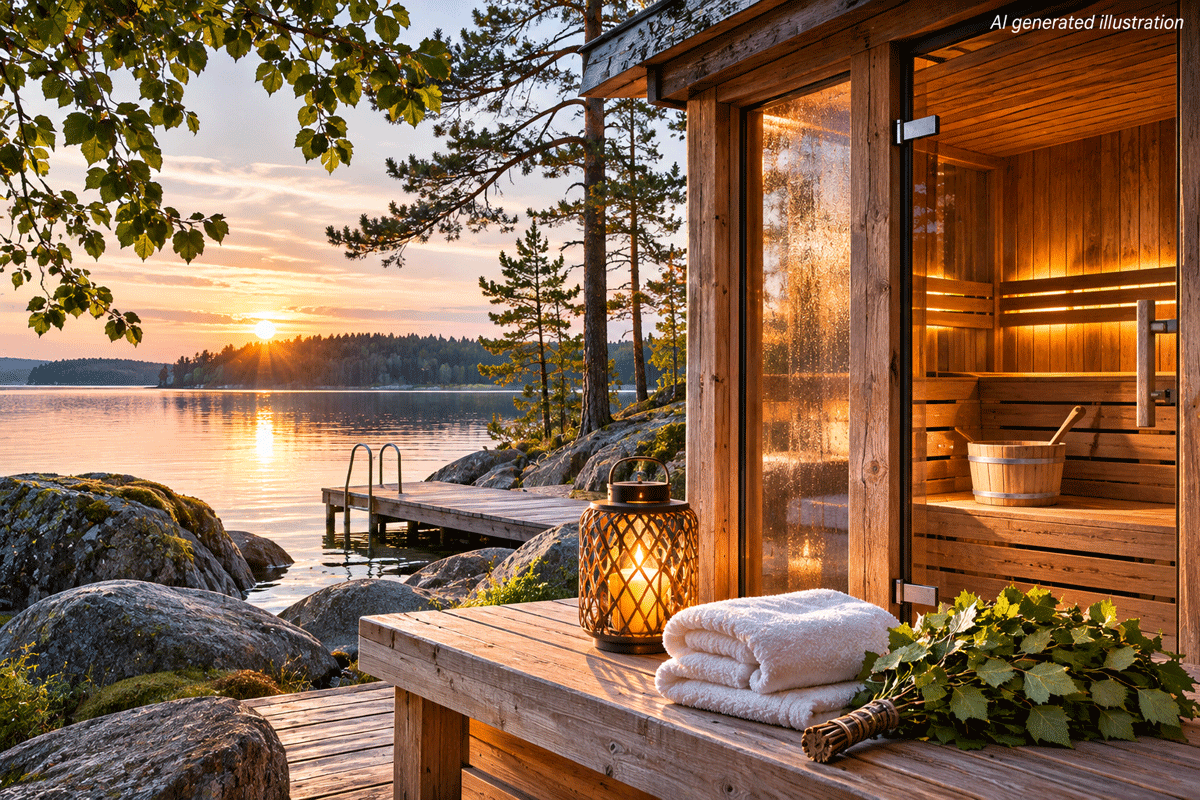
Finland, Germany, Austria, Sweden and Estonia are among the leading destinations combining sauna traditions with modern wellness tourism
Saunas have evolved from traditional bathing facilities into an important component of international wellness tourism. Across northern and central Europe, they form part of health resorts, luxury hotels, thermal spas and nature-based retreats, attracting visitors interested in relaxation, recovery and cultural experiences. Their appeal extends beyond heat bathing itself, often incorporating outdoor activities, regional bathing rituals and opportunities to disconnect from everyday routines.
The wider wellness economy provides a favourable environment for this development. According to the Global Wellness Institute, global wellness tourism revenue increased by 11.4% in 2025, while the spa sector grew by 12.8%. Thermal and mineral springs recorded growth of 10.4%. Although these figures do not measure sauna tourism separately, they demonstrate expanding demand for the broader market in which sauna facilities operate.
Research also suggests that regular sauna bathing may have cardiovascular benefits. Finnish observational studies have identified associations between frequent sauna use and lower cardiovascular and overall mortality. However, these findings do not establish that sauna bathing itself prevents disease, and the evidence should not be interpreted as a substitute for medical treatment. For health tourism providers, the strongest proposition remains the combination of relaxation, responsible heat exposure and a wider programme of physical and mental well-being.
Finland Leads with a UNESCO-Recognised Tradition
Finland occupies a distinctive position in international sauna tourism. The country has approximately 3.3 million saunas for a population of around 5.5 million, according to figures recorded by UNESCO. In 2020, Finnish sauna culture was inscribed on the organisation's Representative List of the Intangible Cultural Heritage of Humanity.
The Finnish experience centres on löyly, the steam produced by pouring water over heated stones. Wood-fired lakeside saunas, traditional smoke saunas and contemporary urban bathing complexes offer different interpretations of the same cultural practice. Helsinki, Tampere and the Finnish Lakeland are particularly attractive for visitors seeking an authentic experience, often combining sauna sessions with swimming, nature excursions and accommodation in lakeside cottages.
Germany represents a different model, characterised by extensive commercial sauna infrastructure. Thermal baths, wellness hotels and health resorts frequently operate multiple sauna types, steam rooms, relaxation areas and professionally organised Aufguss ceremonies. Destinations such as Baden-Baden, Bad Füssing and the Bavarian spa regions combine sauna experiences with thermal bathing, physiotherapy and other wellness services. Germany's established health resort system makes these facilities particularly relevant to longer health-oriented holidays.
Austria has developed a similarly strong connection between sauna culture and alpine tourism. Wellness hotels in Tyrol, Salzburg and Styria frequently combine panoramic saunas with mountain scenery, hiking, skiing and spa treatments. The country's appeal lies in integrating heat bathing and relaxation into active holidays, with facilities ranging from small family-run wellness hotels to extensive resort complexes.
Nordic and Baltic Traditions Attract Visitors
Sweden is another important sauna destination, although its bathing culture is closely associated with the broader Nordic tradition of the bastu. Visitors can experience lakeside and coastal saunas, floating sauna facilities and wellness retreats that combine heat exposure with opportunities for outdoor cooling. Stockholm, the Swedish archipelago and northern Sweden offer contrasting settings, from urban wellness to remote nature experiences.
Estonia has developed a particularly distinctive cultural identity around its smoke sauna tradition. In the Võromaa region of southeastern Estonia, the practice was recognised by UNESCO as intangible cultural heritage in 2014. Unlike conventional saunas, traditional smoke saunas are heated without a chimney during the heating process. The experience involves established rituals, preparation methods and social customs passed down through generations.
For visitors, these traditions offer something beyond conventional spa services: an opportunity to experience regional cultural heritage through bathing practices that remain part of everyday community life.
Other countries are developing their own sauna-oriented tourism products. Norway combines sauna bathing with fjord and coastal landscapes, including floating facilities in urban waterfront locations. Iceland increasingly incorporates saunas into geothermal bathing and wellness experiences, although its international reputation remains primarily associated with naturally heated pools and lagoons.
Health Benefits Require Careful Interpretation
The health tourism industry increasingly presents sauna bathing as part of preventive wellness, stress management and recovery programmes. Exposure to heat temporarily increases heart rate and affects circulation, while the quiet environment can encourage relaxation.
Nevertheless, the scientific evidence requires careful interpretation. Much of the research linking frequent sauna bathing with favourable long-term health outcomes is observational. Such studies cannot fully separate the effects of sauna use from lifestyle, physical activity and other health-related factors.
Sauna bathing is also not appropriate for every visitor. People with unstable cardiovascular conditions, acute illness or difficulties tolerating heat may require medical advice. Adequate hydration, moderate exposure and appropriate cooling are important considerations, particularly for inexperienced users.
For tourism providers, the opportunity lies in developing programmes that combine sauna experiences with nature, physical activity, accommodation and professional wellness services rather than presenting heat bathing as a medical cure.
Finland remains the strongest destination for traditional sauna culture, while Germany and Austria offer particularly extensive commercial wellness infrastructure. Sweden and Estonia contribute distinctive Nordic and Baltic experiences, demonstrating how local traditions can become internationally attractive health tourism products.
As wellness travel continues to expand, sauna tourism offers destinations a way to connect cultural heritage, natural surroundings and contemporary demand for restorative experiences.
Image Credit: AI generated illustration