Hotels and wellness retreats are developing new approaches to mental recovery, combining traditional relaxation practices with growing interest in sleep, stress management and nervous system health
The international wellness tourism industry is witnessing a shift in how travellers define rest and recovery. While traditional wellness holidays have often emphasized physical fitness, spa treatments and beauty services, growing attention is being directed towards mental exhaustion, sleep quality and the effects of constant digital stimulation. An emerging concept known as neurowellness is bringing these concerns together under a new approach to personal wellbeing.
Neurowellness encompasses activities intended to support psychological wellbeing, cognitive functioning and the body's response to stress. Programmes typically combine established practices such as meditation, controlled breathing, physical movement and relaxation with carefully designed environments that encourage visitors to disconnect from everyday demands.
The concept is gaining visibility as hotels and specialized wellness providers respond to travellers seeking more than temporary physical relaxation. Rather than booking individual treatments, guests are increasingly being offered structured experiences that address several aspects of wellbeing during a single stay.
The Global Wellness Summit identified neurowellness among its major wellness trends for 2026, reflecting growing commercial interest in services associated with nervous system regulation, resilience and recovery.
However, neurowellness is not a recognized medical specialty, and the scientific evidence supporting individual treatments varies considerably. Its development therefore raises questions about how hospitality providers can combine attractive experiences with credible health information.
A changing approach to wellness travel
The growing interest in mental recovery reflects wider changes in contemporary lifestyles.
Continuous connectivity, demanding professional schedules and constant exposure to digital information can make it difficult to establish clear boundaries between work and leisure.
Even during holidays, travellers may remain connected to professional responsibilities or continue using digital devices throughout the day.
For hospitality providers, this creates an opportunity to offer environments that encourage a more deliberate separation from everyday routines.
Such experiences can include guided relaxation, opportunities for uninterrupted sleep, outdoor activities and periods without electronic devices.
Unlike conventional spa programmes built around individual treatments, neurowellness-oriented retreats increasingly emphasize the relationship between different daily activities.
Physical movement, nutrition, rest and relaxation may be incorporated into a coordinated programme designed around the guest's preferences and personal objectives.
The approach does not necessarily require specialized medical equipment or elaborate treatments. In many cases, its central elements are familiar practices presented within a more structured hospitality experience.
India adapts traditional wellness practices
India is among the destinations where established wellness traditions provide a foundation for contemporary programmes focusing on mental recovery.
The country's longstanding association with yoga, meditation and Ayurvedic practices has made it an important destination for travellers interested in holistic approaches to wellbeing.
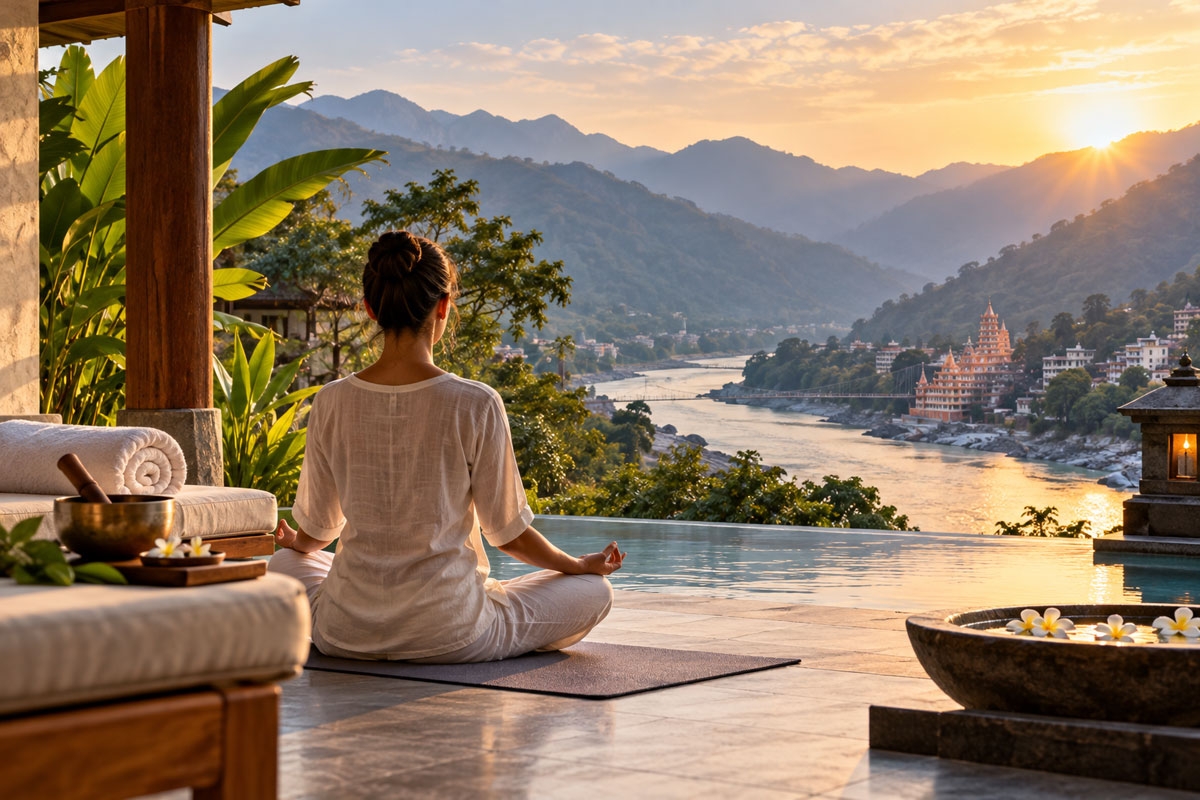
In Rishikesh, at the foothills of the Himalayas, VILEEN Rishikesh offers residential wellness experiences incorporating traditional practices and individualized lifestyle guidance.
Its Nidra Samadhi programme places particular emphasis on sleep and relaxation.
Activities can include yoga, meditation, breathing techniques, Ayurvedic treatments and dietary guidance, combined with opportunities to spend time in natural surroundings.
The destination's location near the Ganges adds an environmental dimension to the experience, offering visitors opportunities to temporarily withdraw from demanding urban routines.
Such programmes demonstrate how established cultural practices can be adapted to contemporary travel preferences without necessarily introducing entirely new therapeutic methods.
For international visitors, the attraction lies in the combination of traditional wellness activities, professional hospitality and an environment designed to support rest.
The effectiveness of individual treatments nevertheless depends on their specific characteristics and the available scientific evidence. Traditional use alone does not establish a measurable medical benefit.
Sri Lanka introduces structured relaxation experiences
Sri Lanka provides another example of how hospitality operators are incorporating mental recovery into their wellness services.
At Cinnamon Life at City of Dreams in Colombo, Kurundu Wellness offers treatments and relaxation experiences that extend beyond conventional massage services.
Its Sleep Enhancement Ritual combines several activities intended to help guests unwind.
The experience incorporates gentle massage, stretching and sound-based relaxation, followed by access to spa facilities such as steam rooms, saunas and vitality pools.
By combining these activities, the provider aims to create a more comprehensive experience than an individual treatment could offer.
The location also illustrates the potential for neurowellness services within urban hospitality.
While secluded resorts may provide natural opportunities for relaxation, city hotels can develop programmes suitable for shorter stays and visitors whose schedules do not allow extended retreats.
Business travellers and international visitors may be particularly interested in accessible experiences that offer opportunities to recover from demanding schedules.
However, the relaxing effects of spa treatments should not be confused with clinically demonstrated improvements in neurological functioning.
The connection with sleep tourism
Neurowellness shares several characteristics with the growing market for sleep-focused travel.
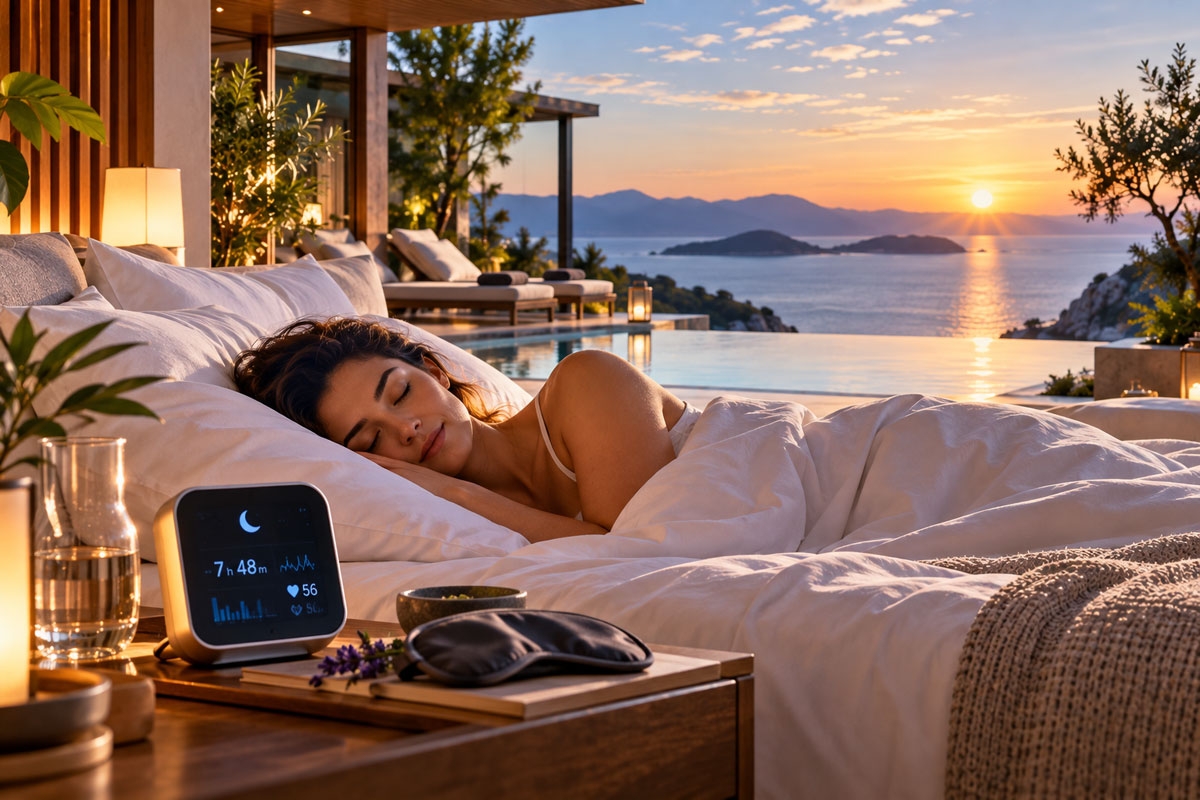
Hotels developing sleep-oriented services increasingly consider factors such as room temperature, lighting, noise reduction and comfortable bedding.
Some providers also offer relaxation activities and guidance on establishing healthier sleep routines.
Neurowellness expands this perspective by considering how daytime habits and environmental conditions may influence a person's ability to relax.
Physical activity, exposure to natural light, regular routines and reduced evening stimulation can all contribute to healthier sleep patterns.
For hospitality providers, this creates opportunities to connect accommodation design with complementary wellness services.
A guest might participate in outdoor activities during the day, attend a guided relaxation session in the evening and return to a room designed to minimize disturbances.
Such combinations can make the overall travel experience more coherent.
Nevertheless, persistent insomnia, sleep apnea and other diagnosed sleep disorders require appropriate medical assessment. Wellness retreats should not present relaxation programmes as substitutes for established clinical treatments.
Scientific evidence remains essential
The growing popularity of neurowellness has also encouraged the use of terminology associated with neuroscience.
Expressions such as nervous system reset, neural recovery and brain optimization are increasingly encountered in commercial wellness communications.
These descriptions can create the impression that particular treatments produce measurable neurological changes.
Scientific evidence supports several practices commonly incorporated into neurowellness programmes.
Regular physical activity can improve general health and psychological wellbeing. Adequate sleep is essential for cognitive functioning and physiological recovery.
Mindfulness-based interventions and certain relaxation techniques may also help individuals manage stress.
However, the evidence supporting other commercial interventions is less consistent.
Some forms of sound therapy, energy-based treatments and specialized nervous system optimization programmes have not demonstrated the clinical benefits sometimes suggested in promotional materials.
The distinction is important because consumers may associate neurological terminology with scientifically validated medical procedures.
Responsible providers should therefore distinguish between activities intended to promote relaxation and treatments supported by clinical evidence.
For destinations positioning themselves within medical wellness tourism, transparent communication and appropriate professional qualifications are particularly important.
Privacy and digital disconnection become valuable services
The growing interest in neurowellness also reflects changing expectations of luxury travel.
Traditional luxury hospitality has often emphasized elaborate facilities, extensive treatment menus and highly personalized services.
Increasingly, privacy, quiet surroundings and opportunities to disconnect from daily responsibilities are becoming important elements of the guest experience.
A carefully designed environment may reduce the need for visitors to make constant decisions about schedules and activities.
Some guests may prefer a structured programme, while others may benefit more from flexible arrangements that allow uninterrupted rest.
This development is particularly relevant to destinations offering natural landscapes, low-density accommodation and opportunities for outdoor recreation.
Mountain resorts, coastal retreats and secluded rural properties can incorporate restorative experiences without necessarily investing in expensive specialized equipment.
Urban hotels may pursue a different strategy by developing shorter programmes that fit into business trips or weekend stays.
In both cases, the objective is to create conditions that allow guests to recover from everyday demands.
Opportunities for international wellness destinations
The growing visibility of neurowellness creates opportunities for hospitality providers seeking to diversify their wellness offerings.
Existing spa facilities can introduce coordinated programmes combining relaxation, physical activity and sleep-oriented services.
Resorts with established yoga and meditation programmes may develop longer stays organized around specific wellbeing objectives.
Destinations with strong traditions of thermal bathing, nature-based recreation and preventive wellness may also find opportunities to incorporate mental recovery into their tourism products.
For medical wellness providers, collaboration with qualified professionals in psychology, sleep medicine and preventive healthcare could help establish a clearer distinction between general relaxation and clinical services.
Such partnerships may become increasingly important as commercial wellness programmes adopt terminology associated with neurological health.
At the same time, the development of neurowellness does not necessarily depend on technological innovation.
Many of its most accessible components involve familiar activities that can be incorporated into daily life without specialized facilities.
This presents an opportunity for providers to emphasize lasting lifestyle changes rather than promoting individual treatments as solutions to complex health problems.
Mental recovery becomes a new priority in wellness tourism
Neurowellness illustrates a broader transformation in international wellness travel.
Travellers are increasingly being offered experiences designed around sleep, stress management and mental recovery rather than physical appearance alone.
The development is encouraging hotels and resorts to reconsider how accommodation, daily activities and wellness services can contribute to an integrated guest experience.
India and Sri Lanka provide examples of how traditional relaxation practices are being incorporated into contemporary hospitality programmes, while the wider international market is exploring similar approaches.
The long-term development of the segment will depend on whether providers can combine appealing experiences with realistic health claims and scientifically informed practices.
Neurowellness is unlikely to replace traditional spa tourism. Instead, it may become a complementary specialization reflecting growing interest in psychological wellbeing and restorative travel.
For many travellers, the most valuable outcome of a wellness holiday may ultimately be the opportunity to establish healthier routines, experience uninterrupted rest and return home better prepared for everyday life.
Image Credit: © AI generated illustration