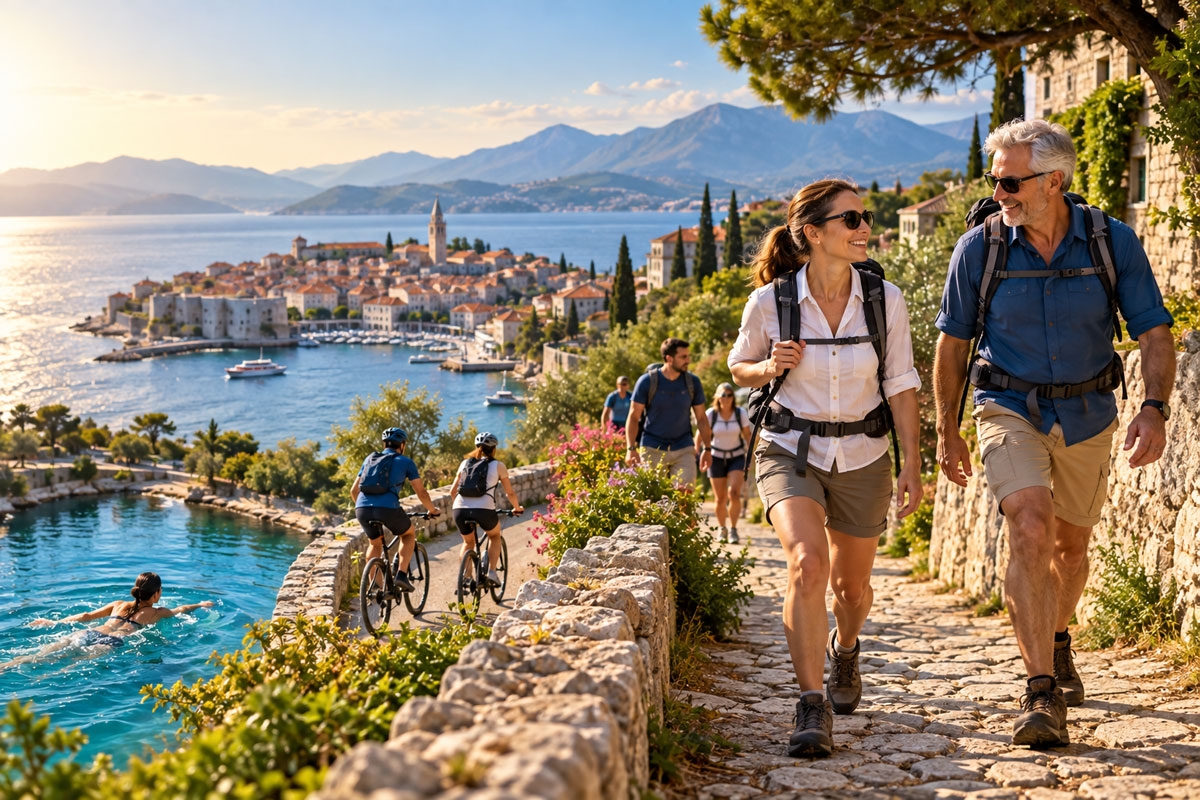

Digital patient journeys, longevity medicine and new approaches to recovery are changing how healthcare providers and tourism businesses compete for international travellers
International medical and health tourism is entering a period of significant transformation. While lower treatment costs, shorter waiting times and access to specialised medical expertise remain important reasons for travelling abroad, new technologies and changing patient expectations are reshaping the industry. Healthcare providers increasingly compete not only through clinical services but also through digital accessibility, transparent quality standards and coordinated experiences extending beyond the hospital.
Research published in 2026 points to a growing convergence between medical care, preventive health and wellness tourism. Artificial intelligence is changing how healthcare services are organised, while interest in longevity and lifestyle medicine is creating new opportunities for destinations traditionally associated with leisure travel. At the same time, patient safety and reliable follow-up care are becoming increasingly important considerations in cross-border treatment.
For hospitals, medical travel facilitators, hotels and destination management organisations, five developments stand out as particularly relevant to future business strategies. Together, they suggest that the next phase of health tourism will depend less on promoting individual procedures and more on delivering integrated, trustworthy and personalised healthcare journeys.
1. Digital Healthcare Is Changing the Medical Travel Journey
The traditional medical tourism model often required patients to travel abroad before undergoing detailed consultations and treatment assessments. Digital healthcare technologies are gradually changing this process.
Telemedicine allows international patients to discuss their medical history, receive preliminary assessments and clarify treatment options before making travel arrangements.
For healthcare providers, these consultations can help determine whether a patient is suitable for a particular procedure and whether travelling abroad is medically appropriate.
Artificial intelligence is also becoming part of healthcare administration and patient communication. Potential applications include analysing medical documentation, supporting appointment coordination and helping international patients navigate complex treatment information.
PwC's Global Health Report 2026 identifies artificial intelligence, interoperable health data and digital-first services among the major developments transforming healthcare.
For medical travel facilitators, these technologies could reduce administrative workloads and improve communication between patients, clinics and travel service providers.
The commercial implications extend to accommodation and transportation. More reliable treatment schedules may help hotels and travel companies coordinate arrivals, hospital transfers and recovery stays.
However, digital systems must address patient privacy, data protection and clinical oversight. Automated recommendations cannot replace qualified medical assessment.
The emerging opportunity is a more coordinated patient journey in which much of the preparation takes place before departure and appropriate follow-up care continues after the patient returns home.
2. Longevity Medicine Creates New Opportunities for Health Destinations
Longevity has become one of the most prominent concepts in the international wellness and preventive healthcare markets.
Rather than concentrating exclusively on treating existing illnesses, longevity-oriented programmes seek to identify health risks, support physical and mental functioning and encourage healthier lifestyles.
The Global Wellness Institute's 2026 research highlights the increasing importance of lifestyle medicine, including physical activity, nutrition, sleep and mental wellbeing.
For international health tourism, this development creates opportunities for destinations offering medical assessments alongside structured lifestyle programmes.
Specialised clinics may combine physician-led consultations and appropriate diagnostic examinations with nutritional counselling, exercise programmes and evidence-based preventive care.
Hotels and wellness resorts can contribute accommodation, recreational facilities and environments suitable for longer stays.
The business model differs from conventional medical tourism because some programmes may encourage repeat visits and ongoing relationships between patients and healthcare providers.
However, the expanding longevity market also presents challenges. Some commercially promoted anti-ageing interventions lack convincing evidence of clinical benefit, and the regulatory status of treatments varies between countries.
For reputable destinations, distinguishing established preventive medicine from experimental or insufficiently validated therapies will be essential.
3. Medical Recovery Becomes Part of the Tourism Product
The period following medical treatment is attracting greater attention from healthcare providers and travel businesses.
International patients undergoing surgery or other procedures may require additional time near their treating hospital before returning home.
This creates demand for accommodation that differs substantially from conventional holiday stays.
Depending on individual medical requirements, patients may need accessible rooms, suitable nutrition, reliable transportation and assistance arranging follow-up appointments.
The development of recovery-oriented hospitality offers potential opportunities for hotels, serviced apartments and specialised accommodation providers.
Partnerships with hospitals and licensed healthcare professionals can help establish clear responsibilities for clinical care and non-medical services.
For destinations with established tourism infrastructure, this may create opportunities to adapt existing accommodation rather than construct entirely new facilities.
However, recovery tourism requires careful planning. Patients must not be encouraged to undertake activities or travel before they are medically fit.
The US Centers for Disease Control and Prevention emphasises that medical travellers face additional risks associated with postoperative complications, infections and long-distance travel.
Successful recovery-oriented tourism products therefore depend on medical supervision, appropriate facilities and realistic expectations rather than luxury accommodation alone.
4. Accreditation and Patient Safety Become Competitive Advantages
As international medical tourism expands, healthcare quality and transparency are receiving greater scrutiny.
The Global Healthcare Accreditation Impact Study 2026 identifies important gaps between patient expectations and the information available to medical travellers.
According to the study, 41.3 percent of surveyed former medical travellers could not identify whether the hospital where they received treatment was accredited.
The research also found that 30 percent of patients had not experienced both clear explanations of safety procedures and strong safety practices.
These findings underline a central challenge for medical tourism providers: clinical competence alone may not be sufficient to establish patient confidence.
International patients also need understandable information about professional qualifications, hospital standards, treatment risks and arrangements for complications.
Accreditation can provide a useful quality-assurance framework, although it does not guarantee successful medical outcomes.
For medical travel agencies and facilitators, the ability to verify healthcare providers and communicate reliable information may become an increasingly important differentiating factor.
Hospitals and clinics that invest in transparent patient communication, documented procedures and coordinated aftercare may be better positioned to develop sustainable international partnerships.
The growing emphasis on patient protection could also influence how destinations regulate medical tourism intermediaries and promote healthcare services abroad.
5. Wellness Tourism Moves Towards Personalised Recovery and Mental Wellbeing
A further development is changing the relationship between conventional wellness holidays and health-oriented travel.
The Global Wellness Institute's 2026 tourism trends identify growing interest in restorative experiences, mental wellbeing, privacy and personalised travel programmes.
Rather than focusing exclusively on intensive fitness activities or luxury spa treatments, some travellers are seeking quieter environments that support relaxation, sleep and recovery from everyday stress.
The organisation also identifies increasing interest in shorter wellness journeys, urban recovery experiences and destinations offering comfortable climatic conditions outside traditional peak seasons.
For tourism operators, this creates opportunities to develop products based on individual needs rather than standardised wellness packages.
Possible offerings include sleep-focused retreats, guided outdoor activities, nutrition programmes and professionally supervised stress-management courses.
Destinations with natural landscapes, established spa traditions or favourable shoulder-season conditions may be particularly well placed to develop such experiences.
Hotels can adapt existing facilities through quieter accommodation areas, flexible activity programmes and partnerships with qualified wellbeing professionals.
Artificial intelligence may eventually support more personalised itinerary planning, although the effectiveness and reliability of such systems require careful evaluation.
Importantly, wellness travel should not be confused with medical treatment. Relaxation programmes and lifestyle experiences may support general wellbeing, but they cannot substitute for clinically indicated healthcare.
Integrated Services Will Shape Future Competition
The five trends point towards a common development: international health tourism is becoming more interconnected.
Digital consultations can improve preparation before departure, while specialised medical services remain the central reason for many patients to travel. Recovery accommodation, transparent quality standards and preventive wellbeing programmes can extend the relationship between healthcare providers and tourism businesses.
For destinations, this creates opportunities to develop more differentiated international offerings.
Established medical tourism centres may strengthen their competitiveness through digital patient services and reliable aftercare. Traditional leisure destinations can explore partnerships with healthcare providers and develop wellness programmes that attract visitors outside peak holiday periods.
Travel intermediaries will also need to adapt. Their role may increasingly involve coordinating complex journeys, verifying service providers and helping patients understand the practical requirements of receiving treatment abroad.
Nevertheless, the pace of development will vary between markets. Differences in healthcare regulation, insurance arrangements, medical infrastructure and consumer purchasing power will continue to shape international demand.
The most successful health tourism strategies are therefore unlikely to rely on a single fashionable treatment or technology.
Instead, long-term competitiveness will depend on combining credible healthcare, efficient travel arrangements and experiences that respond to the actual needs of international patients and wellness travellers.
Image Credit: AI generated illustration