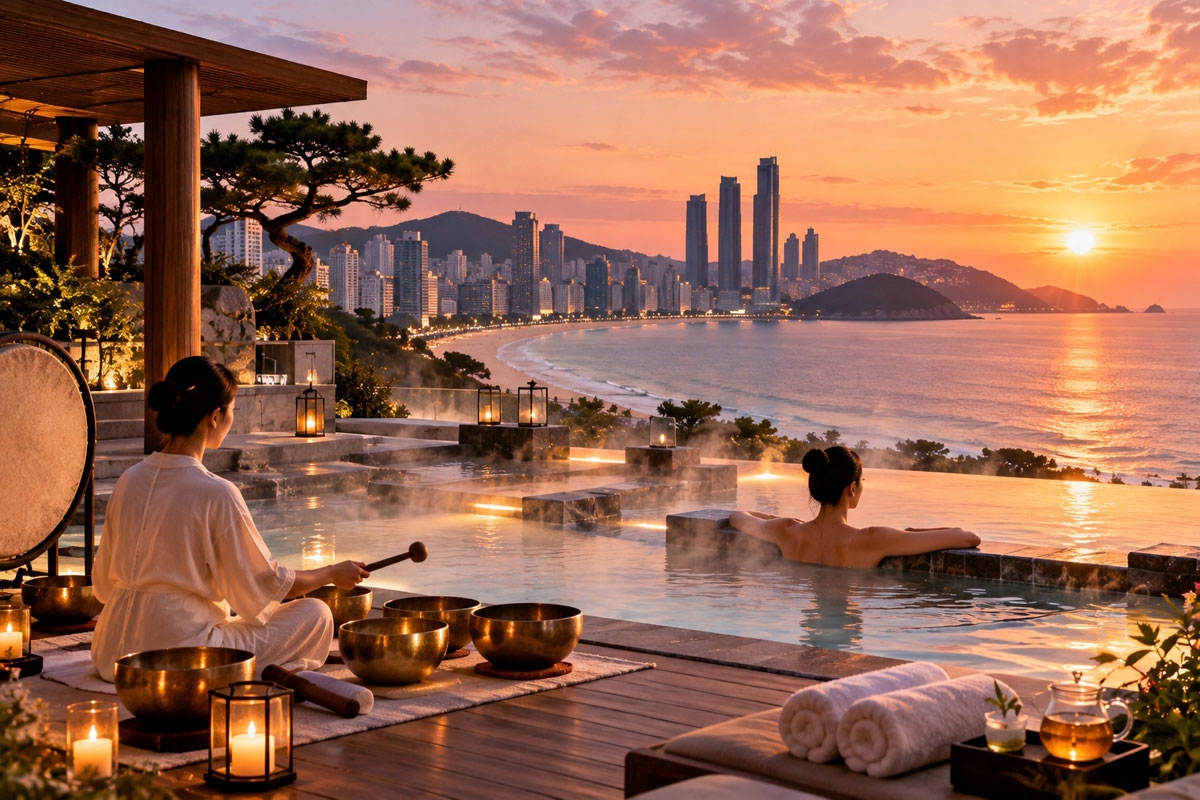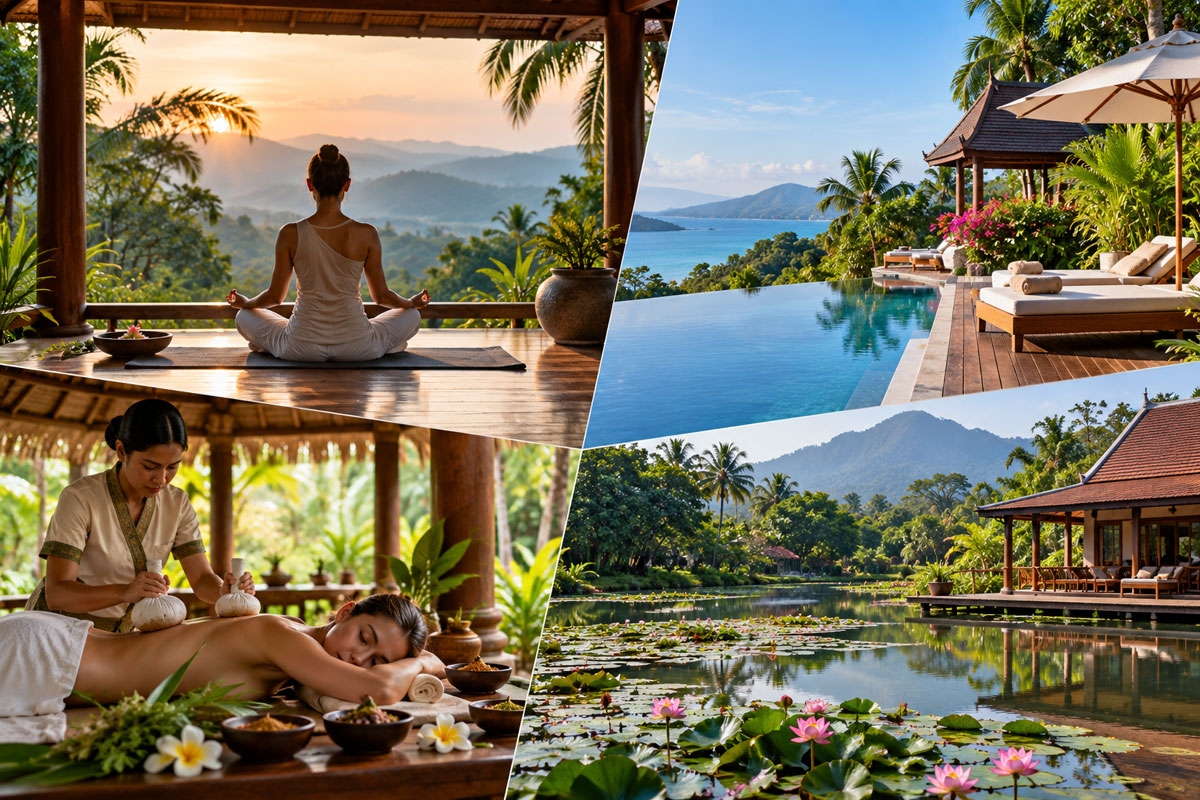
The international hotel group introduces a Japanese-inspired bathing and wellness concept as Vietnam attracts growing investment in health-oriented tourism
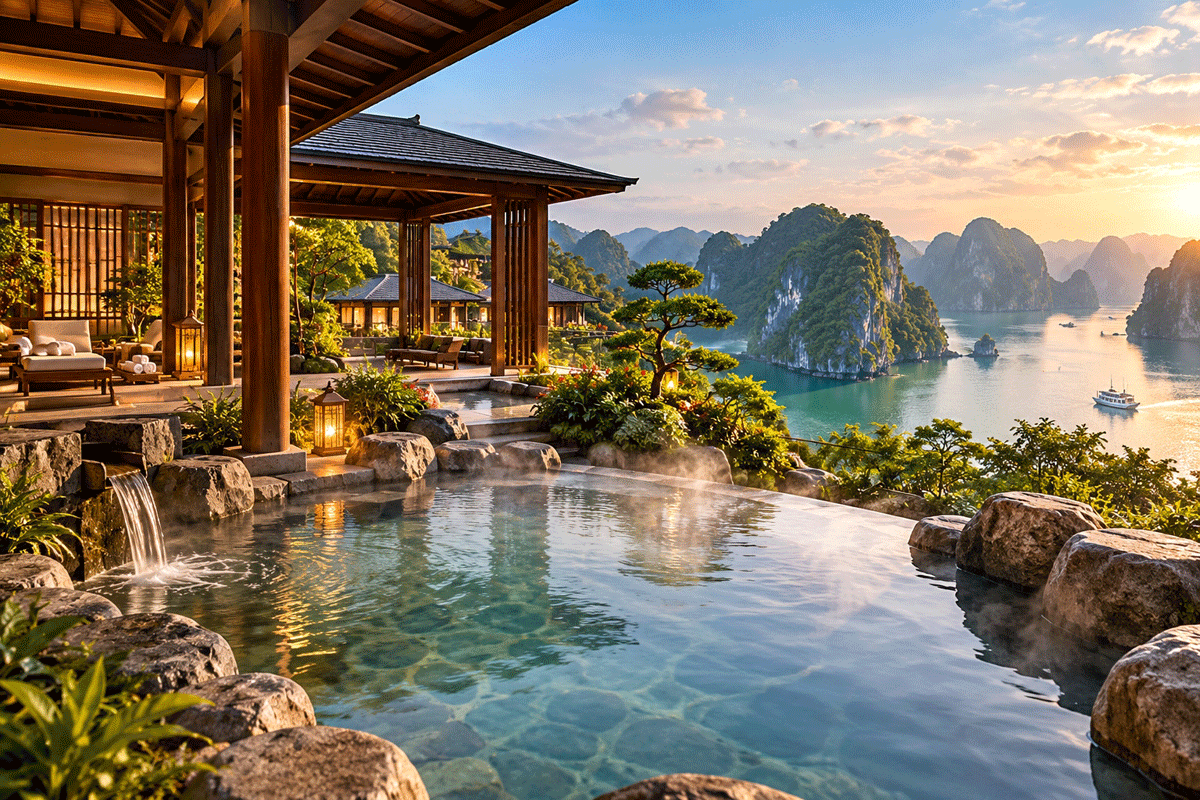
Hilton is strengthening its presence in Vietnam’s wellness tourism market with the recent opening of Hilton Quang Hanh Onsen Resort in the northern province of Quang Ninh. According to the company, the property is its first onsen resort in Southeast Asia, introducing a wellness-focused hospitality concept to a destination better known internationally for its proximity to Ha Long Bay.
The development reflects a broader diversification of Vietnam’s tourism industry. Alongside beach holidays, cultural experiences and city breaks, international hotel operators are increasingly identifying opportunities in wellness-oriented accommodation. Thermal bathing, relaxation and resort-based wellbeing experiences offer destinations additional ways to attract visitors seeking more than conventional leisure travel.
Hilton’s investment comes amid substantial growth in its Vietnamese hotel portfolio. The company currently operates 24 properties across five brands and has another 23 hotels in development. Alexandra Murray, Hilton’s area vice president and head of Southeast Asia, identified rising disposable incomes, improving international air connections and growing interest in distinctive travel experiences as important factors supporting the country’s hospitality market.
Japanese bathing culture meets Vietnamese tourism
The opening of Hilton Quang Hanh Onsen Resort marks a notable addition to the international wellness hospitality sector in northern Vietnam. The property brings an onsen-inspired resort concept to Quang Ninh, connecting the Japanese tradition of thermal bathing with the region’s expanding tourism infrastructure.
For international visitors, such facilities can broaden the appeal of a destination beyond sightseeing and conventional resort accommodation. Wellness-focused stays may be combined with cultural activities, nature excursions and other leisure experiences, creating opportunities for longer or more varied itineraries.
The distinction between wellness tourism and medical tourism remains important. While thermal bathing and relaxation are associated with wellbeing and traditional bathing cultures, the available information does not establish that Hilton Quang Hanh Onsen Resort provides clinical treatments or medically supervised rehabilitation. Its significance lies primarily in the development of specialised wellness accommodation rather than healthcare services.
Quang Ninh’s established international tourism profile could support the positioning of the new property. The province is home to Ha Long Bay, one of Vietnam’s best-known attractions, and already benefits from a substantial visitor economy.
Hotel investment supports tourism diversification
Hilton’s wider expansion plans indicate growing confidence in Vietnam as a regional hospitality market. The company describes the country as its third-largest market in Southeast Asia and its largest development pipeline within the region.
Further projects include Waldorf Astoria Hanoi, scheduled to open in 2028, and an 80-room LXR Hotels & Resorts retreat planned for Da Nang in the same year. On Phu Quoc, Hilton is preparing a three-brand development comprising more than 2,000 rooms, with openings planned between late 2027 and early 2028.
These projects are not specifically medical or wellness tourism investments, but they illustrate the scale of international hotel development accompanying Vietnam’s tourism growth.
According to Hilton, Vietnam recorded more than 113 million domestic tourist arrivals during the first eight months of 2026. The company also points to improving airline connectivity and increasing demand for travel across multiple destinations.
For the wellness tourism sector, the opening in Quang Ninh is particularly relevant because it introduces a specialised international hotel product rather than simply adding conventional accommodation capacity. It also demonstrates how established hospitality brands are responding to demand for experiences centred on relaxation and personal wellbeing.
As Vietnam develops its tourism infrastructure, such properties could help strengthen the country’s position in Southeast Asia’s competitive wellness travel market. Their contribution will depend not only on international branding, but also on the quality of the visitor experience, accessibility and the ability to connect wellness stays with the surrounding destination.
Image Credit: © AI generated illustration