New figures presented at the Global Wellness Summit in Phuket highlight growth in wellness travel, spas and health-oriented investment
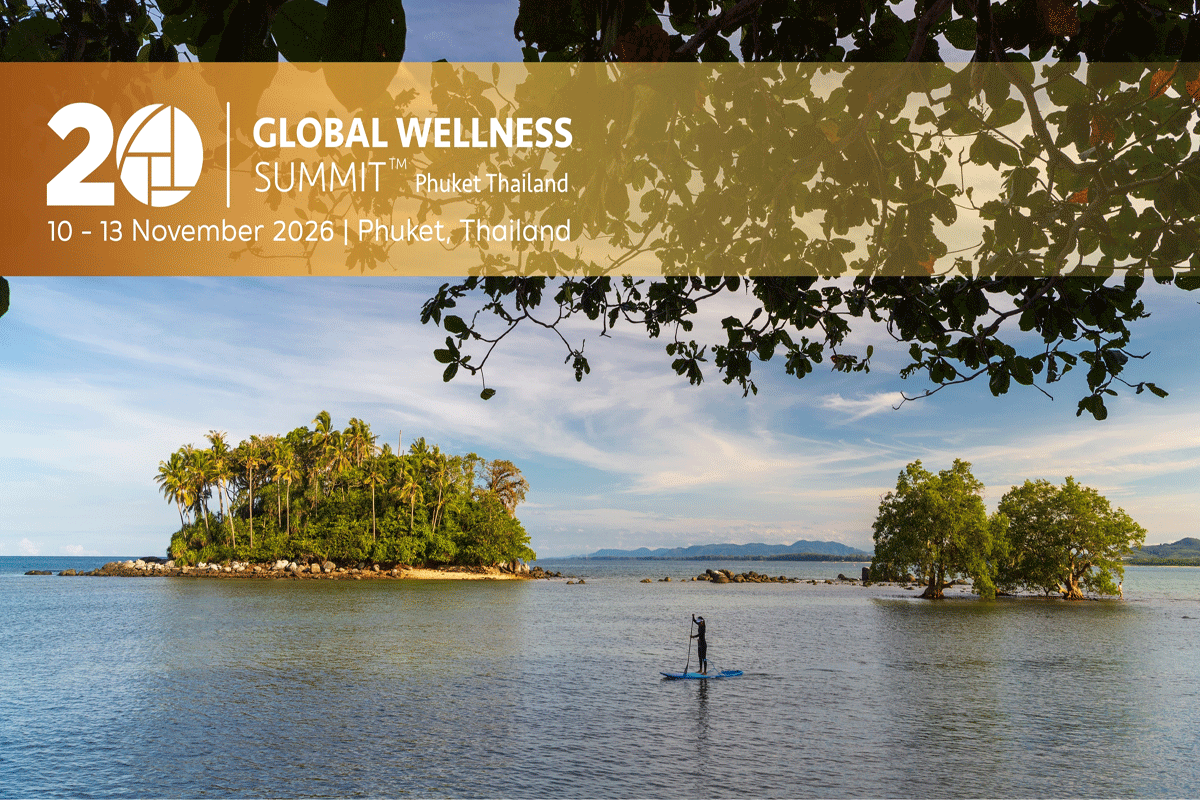
Thailand’s wellness economy reached US$46.5 billion in 2025, an increase of 8.8% compared with the previous year, according to new research presented at the Global Wellness Summit 2026 in Phuket. The findings reinforce the country’s position as a major Asian wellness destination and provide a foundation for government plans to expand medical tourism, preventive healthcare and longevity-related travel.
The summit, held from November 10 to 13, brought together more than 400 delegates from 50 countries. According to the Tourism Authority of Thailand (TAT), the event provided opportunities to discuss investment, healthcare innovation and the future development of wellness tourism. The Global Wellness Institute ranked Thailand as the world's 26th-largest wellness economy and ninth in the Asia-Pacific region.
Wellness tourism remained Thailand’s largest wellness sector in 2025, generating an estimated US$14.5 billion from 17.5 million domestic and international wellness trips. The figures reflect the growing economic importance of health-oriented travel, although the broader US$46.5 billion wellness economy also includes sectors unrelated to tourism. Thailand’s strategy increasingly seeks to connect medical expertise, science-based wellness services and traditional healing practices with international visitor demand.
Wellness Travel and Investment Show Strong Growth
The latest figures reveal significant differences in growth across Thailand’s wellness economy. Wellness real estate recorded the strongest expansion between 2024 and 2025, increasing by 66.7%, while the spa sector grew by 19.6%.
These developments suggest that investment is extending beyond conventional spa treatments towards properties and services designed around healthier lifestyles, preventive care and longer-term well-being.
The national figures were released alongside the Global Wellness Institute’s Global Wellness Economy Monitor 2026, which valued the worldwide wellness economy at US$7.5 trillion in 2025. The institute forecasts that the global market could reach US$10.9 trillion by 2030.
Thailand is seeking to benefit from this expansion through a ten-year Medical & Wellness Hub strategy outlined by the Ministry of Public Health during the summit. The strategy aims to strengthen the country’s position as an international centre for medical and wellness services, with a target of 68 billion baht in investment and an anticipated economic contribution equivalent to approximately 0.5% of GDP.
These figures represent government objectives rather than investment commitments or economic benefits already realised.
Three Priorities for Health Tourism in 2027
TAT is translating the summit’s findings into its 2027 Well-being Tourism programme, organised around three complementary areas: Medical Excellence, Science-Based Wellness and Science-Based Local Wisdom.
The programme distinguishes between three types of health-oriented travel. Heal Better focuses on medical treatment and recovery, Live Longer addresses preventive healthcare and longevity, and Feel Better covers physical and mental well-being.
This approach reflects Thailand’s intention to serve different groups of international travellers, from patients seeking medical services to visitors interested in preventive health programmes and restorative holidays.
The tourism authority also plans to develop market-ready experiences across the country’s five regions, connecting healthcare and wellness providers with tourism businesses and expanding access to international markets.
One existing initiative is Thailand Surf Therapy in Phang-nga, which combines structured physical activity, nature experiences and mindfulness with community-based tourism. The programme illustrates efforts to broaden the country’s wellness offering beyond established spa resorts and major medical tourism centres.
The international health agenda will continue in 2027, when Bangkok is scheduled to host the Third WHO Global Summit on Traditional Medicine from November 10 to 12. The event is expected to bring together policymakers, researchers and healthcare professionals to examine evidence-based traditional medicine and its potential integration into healthcare systems.
For Thailand, the combination of expanding wellness tourism, planned investment and international health cooperation represents a long-term development strategy. Its success will depend on translating national ambitions into accessible services, professionally managed programmes and sustainable opportunities for tourism businesses and local communities.
Image Credit: © TAT