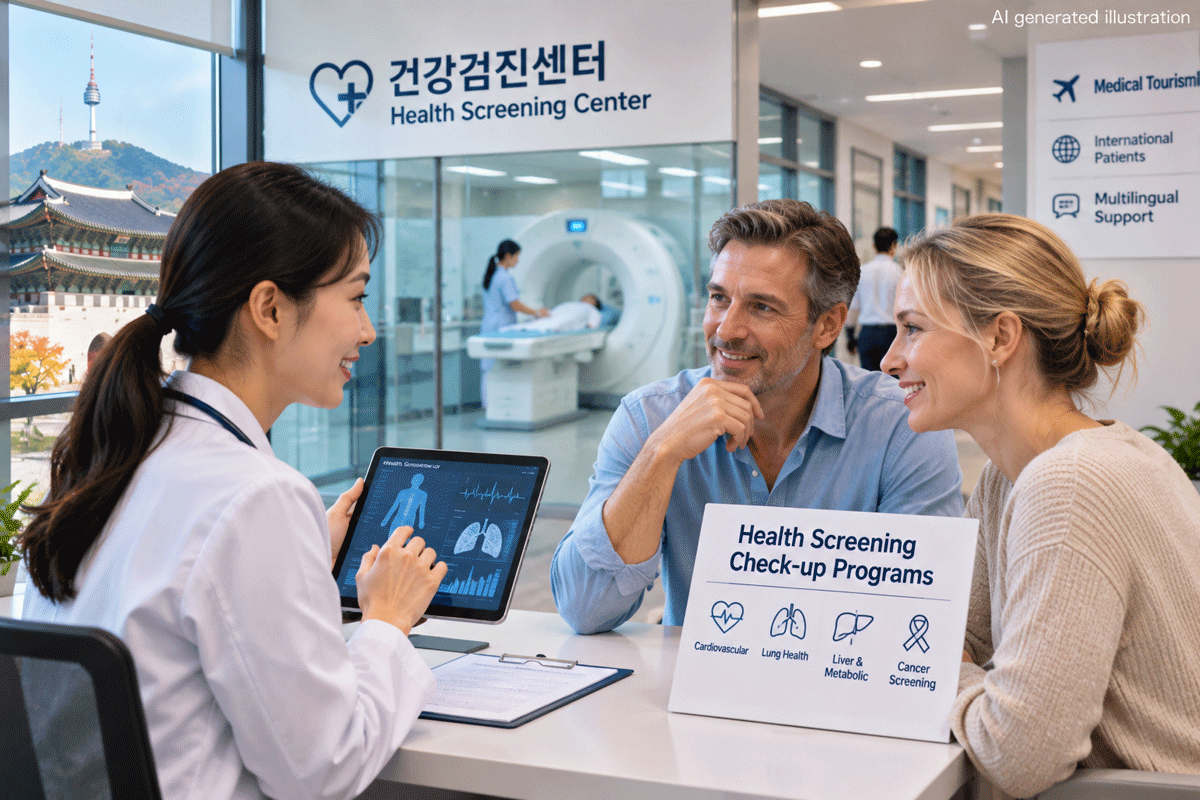
With more than two million foreign patients in 2025, hotels in Seoul are integrating medical facilities while authorities expand patient-friendly accommodation
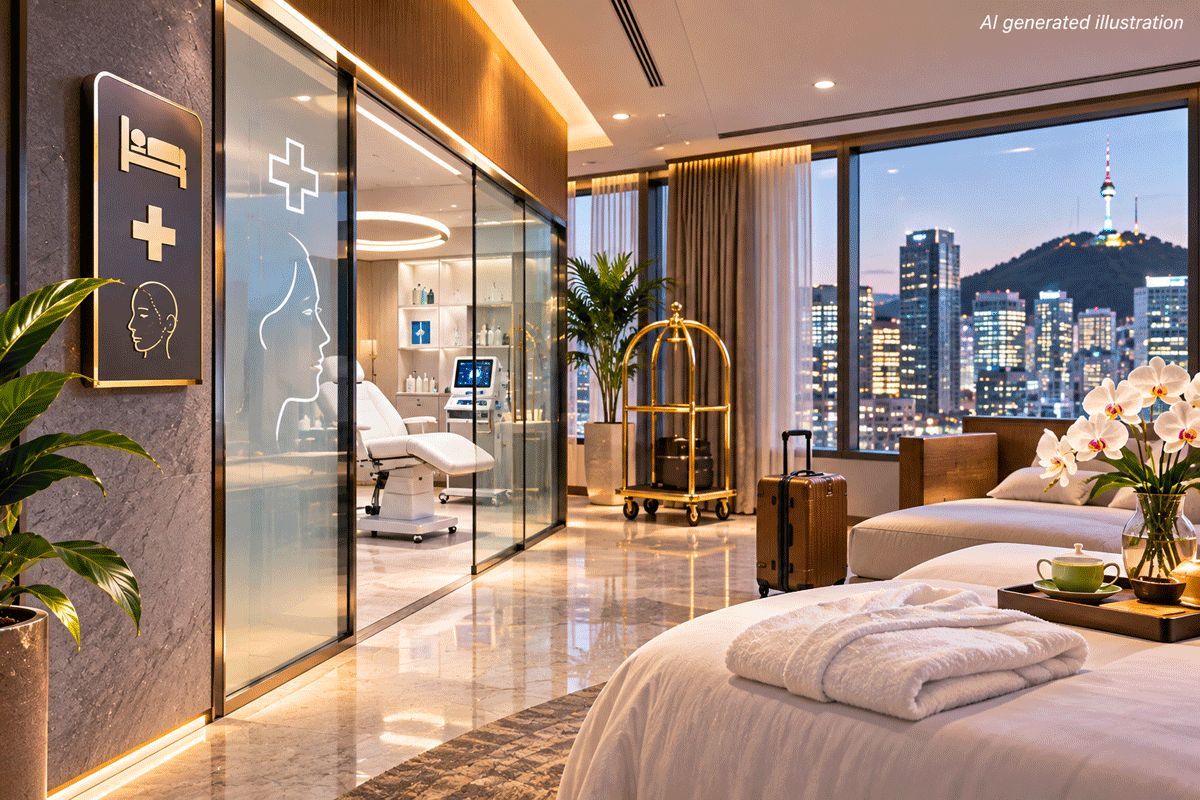
South Korean hotels are increasingly converting guest rooms and other hospitality spaces into medical facilities as international demand for dermatology, cosmetic surgery and other healthcare services continues to grow. Several major hotels in Seoul and Incheon have introduced clinics within their buildings, allowing foreign patients to combine medical appointments, accommodation and recovery without travelling between separate locations.
The development follows another record year for South Korea's medical tourism industry. According to figures reported by the Ministry of Health and Welfare, the country received 2,011,822 foreign patients in 2025, an increase of approximately 72% compared with 2024. Dermatology accounted for the largest share of reported treatments, followed by plastic surgery, internal medicine and preventive health examinations.
Seoul remains the dominant destination for international patients. Figures released by the metropolitan government indicate that approximately 1.76 million foreign patients received medical services in the capital last year, representing 87.2% of the national total. The concentration of demand is encouraging hotels to reconsider how their properties can serve travellers whose primary reason for visiting South Korea is medical treatment rather than conventional tourism.
Hotels Bring Medical Services Under One Roof
Lotte Hotel Seoul is among the properties adapting to the changing market. The hotel has converted two guest-room floors in its main tower into medical and wellness space. In September 2026, DA Clinic and Organa Cell Dermatology began operating on the building's ninth floor, providing services in dermatology and aesthetic medicine.
Other hotels have adopted similar arrangements. Stanford Hotel Myeongdong accommodates skin treatment facilities across its third to fifth floors, while Lotte City Hotel Mapo houses dermatology, plastic surgery and dental practices.
At Oakwood Premier Coex Center in Seoul's Samseong-dong district, approximately 1,650 square metres of basement space are used for medical facilities. The Shilla Seoul also offers access to dermatology and plastic surgery services within its ancillary facilities.
Outside the capital, Inspire Entertainment Resort on Incheon's Yeongjong Island introduced a skin care clinic in 2025.
The arrangements are particularly relevant for patients undergoing aesthetic procedures who may prefer to rest privately after treatment. Locating clinics and accommodation within the same building can reduce travel between appointments and provide convenient access to hotel services.
However, the availability of nearby accommodation does not replace medically supervised postoperative care or appropriate arrangements for complications and follow-up treatment.
Medical Visitors Generate Substantial Tourism Revenue
The economic appeal of international patients extends well beyond medical fees.
According to the Korea Tourism Organization, medical tourists spent an average of 3.99 million South Korean won per person in 2024, excluding transportation. Approximately 1.53 million won went towards treatment, while 2.46 million won was spent on accommodation, shopping and other services.
This means that nearly 62% of their reported expenditure occurred outside medical institutions, highlighting the importance of international patients for hotels and other tourism businesses.
An estimate by the Korea Institute for Industrial Economics and Trade placed spending by foreign patients and their companions at 12.5 trillion won in 2025, equivalent to approximately US$8.6 billion. The institute also estimated wider economic effects associated with this expenditure.
Seoul's municipal authorities are responding to the market's expansion. In November, the city announced its first selection of 19 medical-friendly accommodation facilities from 40 applicants.
The selection criteria included proximity to medical institutions, suitability for extended stays, cooking and laundry facilities, and emergency assistance. Participating properties are expected to provide services such as transportation support, multilingual emergency guidance and practical assistance for patients and accompanying family members.
The city plans to introduce one-year certifications in 2027 and support international promotion of the designated facilities.
Growth Raises Questions About Patient Protection
The closer integration of hotels and medical practices also presents regulatory challenges.
Healthcare professionals have warned that high rental costs within premium hotel properties could create commercial pressure on clinics to promote expensive elective treatments. Patient referral arrangements, hotel guest discounts and medical advertising aimed at foreign visitors may also raise questions under South Korean healthcare regulations.
Clear responsibilities for patient recruitment, informed consent, treatment quality and emergency care will therefore be important as the model expands.
Research published by Yanolja Research indicates that 38.6% of surveyed medical tourists had visited South Korea at least four times, suggesting that repeat visitors represent a significant part of the market.
For the international health tourism industry, South Korea's experience illustrates an emerging form of cooperation between healthcare providers and hospitality operators. Hotels are moving beyond accommodation partnerships to become locations for medical services themselves.
Whether this model can develop sustainably will depend not only on commercial demand but also on maintaining clear distinctions between hospitality services, medical treatment and responsibility for patient safety.
Image Credit: AI generated illustration