Phuket hosts 600 international wellness leaders as Thailand promotes traditional healing, longevity and health-focused travel experiences across five regions
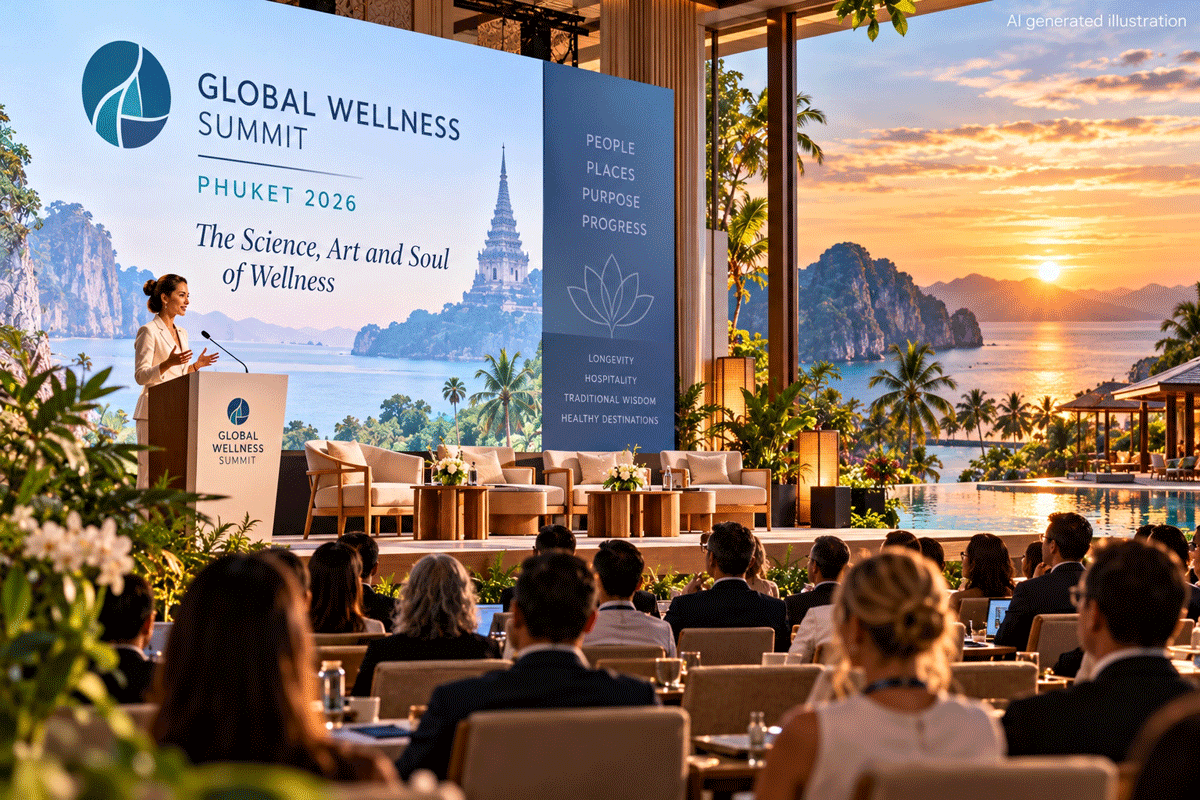
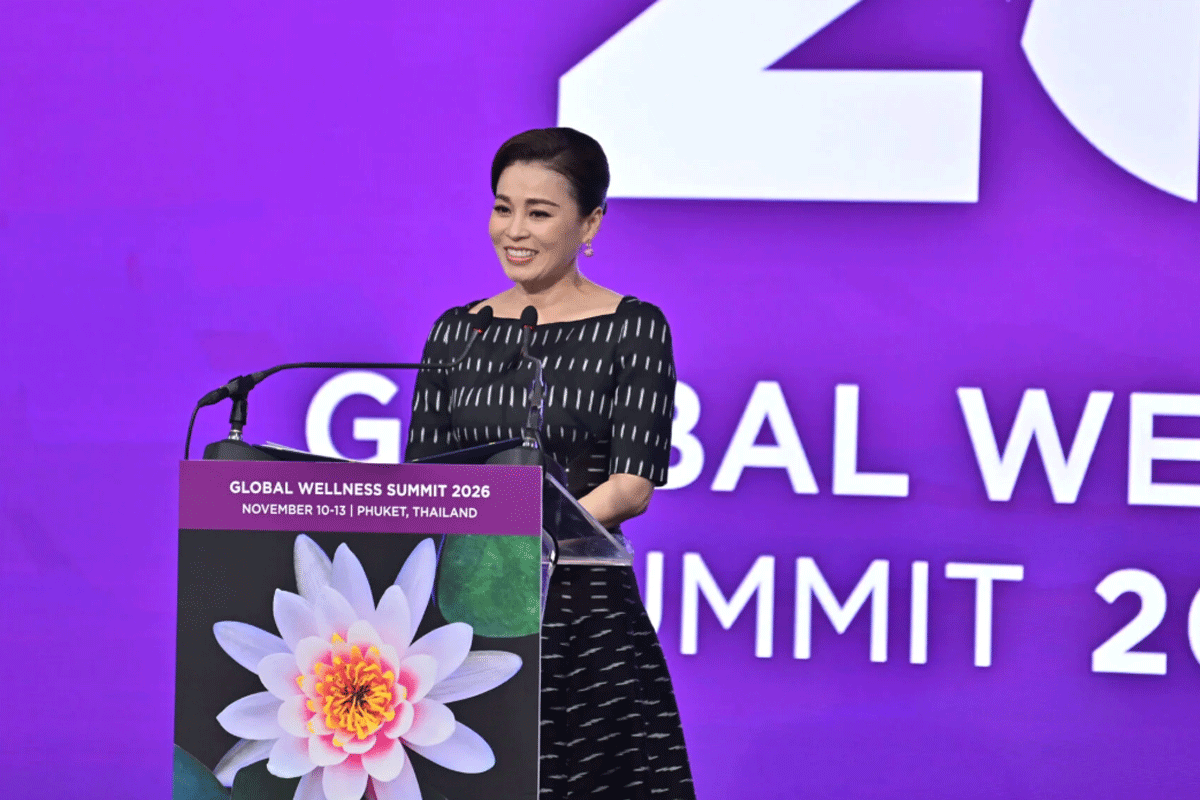
Thailand is strengthening its international wellness tourism strategy as Phuket hosts the 20th Global Wellness Summit from November 10 to 13, 2026. The four-day gathering brings together approximately 600 international delegates from the wellness, healthcare, hospitality and investment sectors to examine developments in longevity, preventive medicine and the global wellness economy. The summit was officially opened by Queen Suthida Bajrasudhabimalalakshana on November 11.
For Thailand, the event provides an opportunity to present a broader vision of health-focused travel that extends beyond individual spa resorts and traditional massage services. The Tourism Authority of Thailand (TAT) is showcasing wellness experiences across the country's five regions, combining traditional healing practices, local cuisine, natural environments and cultural activities. The initiative reflects a strategy to develop more distinctive tourism products while distributing economic opportunities beyond established resort destinations.
The summit is organised by Thailand's Department of Thai Traditional and Alternative Medicine, with TAT, the Thailand Convention and Exhibition Bureau and Phuket Province as co-hosts. Its programme brings together international experts and Thai industry representatives to discuss the relationship between traditional health practices, modern healthcare, technological innovation and changing consumer expectations. The event also highlights Thailand's ambition to strengthen its position as a destination for international wellness and health-related travel.
Regional wellness experiences take centre stage
A central element of Thailand's presentation is the Thailand Wellness Journey, an initiative designed to introduce international industry partners to health-oriented travel experiences across the country's five regions.
The concept draws on Thailand's established traditions of massage, herbal applications, cuisine and nature-based relaxation, while incorporating cultural activities and community experiences.
Rather than concentrating exclusively on luxury spa properties in destinations such as Phuket or Bangkok, the approach seeks to highlight the diversity of wellness opportunities available throughout the country.
For international travellers, this could create opportunities to combine wellness stays with regional tourism experiences, including traditional therapies, culinary activities and visits to communities where local health-related practices form part of cultural heritage.
The strategy also reflects TAT's emphasis on attracting visitors interested in higher-value experiences rather than pursuing growth solely through increasing arrival numbers.
TAT Governor Thapanee Kiatphaibool said the summit provides an opportunity to establish lasting international partnerships and create greater economic opportunities for Thai businesses and communities.
“The Global Wellness Summit allows international industry leaders to experience Thai wellness first-hand. We aim to turn interest into lasting partnerships that bring meaningful travel experiences and greater opportunities to Thai businesses and communities.”
The initiative could be particularly relevant for smaller wellness operators and regional tourism businesses seeking access to international distribution networks.
However, the announcement does not identify specific new commercial agreements or provide figures for the expected economic contribution of the regional wellness programmes.
Longevity and preventive healthcare shape discussions
Beyond destination development, the summit addresses structural changes in the international wellness market.
Longevity medicine, preventive healthcare and the integration of technology into wellness services feature prominently in the conference programme. These subjects reflect growing interest in health-related travel experiences that extend beyond relaxation to include lifestyle management, physical wellbeing and preventive health services.
Among the opening-day speakers is Katherine Johnston of the Global Wellness Institute, presenting the 2026 Global Wellness Economy Monitor. The report examines developments in the international wellness economy and provides a basis for assessing changes in consumer demand and investment priorities.
The conference also features Dan Buettner, known for his work on Blue Zones, regions associated with unusually high concentrations of long-lived populations.
His participation reflects the increasing influence of healthy ageing and lifestyle-related approaches on the international wellness industry.
Thai speakers include Public Health Minister Pattana Promphat, Chiva-Som Chairman and CEO Krip Rojanastien and Minor International founder William E. Heinecke, bringing together perspectives from public health, specialist wellness hospitality and the wider tourism sector.
Innovation is another focus. The summit includes an Innovation Lab and a student-oriented wellness entrepreneurship competition, intended to encourage new ideas and business models.
For Thailand's wellness sector, these discussions offer opportunities to connect established tourism services with emerging demand for personalised health experiences.
At the same time, the growing use of longevity terminology requires careful distinctions between evidence-based preventive medicine, general lifestyle services and interventions whose clinical benefits remain uncertain.
Traditional healing meets international wellness development
Thailand's established wellness identity is closely associated with traditional Thai massage, herbal knowledge and other culturally rooted health practices.
These traditions form an important part of the country's international appeal, particularly when combined with its hospitality infrastructure and extensive network of resorts and wellness facilities.
The Global Wellness Summit provides a platform for examining how traditional practices can coexist with modern healthcare services and evolving expectations concerning quality, safety and professional standards.
Department of Thai Traditional and Alternative Medicine Director-General Pongsadhorn Pokpermdee is among the speakers addressing the relationship between traditional wisdom and modern medicine.
The distinction between wellness experiences and medical treatment remains important. Traditional therapies may have cultural significance and provide relaxation or other perceived benefits, but claims concerning the treatment of specific medical conditions require appropriate scientific evidence.
For international wellness travellers, transparent information about services, practitioner qualifications and possible contraindications is essential.
Thailand's tourism authorities are seeking to position these traditional strengths within a wider portfolio of experiences that includes gastronomy, craftsmanship, nature and community life.
This approach could help differentiate the country from competing wellness destinations while supporting businesses outside the principal international tourism centres.
The summit's 20th edition also demonstrates the increasingly international character of the wellness economy, with healthcare providers, hospitality companies, investors and tourism organisations participating in discussions that were once largely confined to the spa industry.
For Thailand, the longer-term opportunity lies in translating this international attention into sustainable partnerships, credible wellness products and wider regional participation in the health tourism economy.
The country's established reputation for hospitality and traditional wellness provides a strong foundation. Its ability to maintain international competitiveness will increasingly depend on service quality, professional standards and the development of experiences that connect cultural authenticity with changing expectations of health-conscious travellers.
Image Credit: © TAT