The historic monastery property will reopen under the Kempinski brand in early 2027, combining centuries of contemplative tradition with established spa experiences
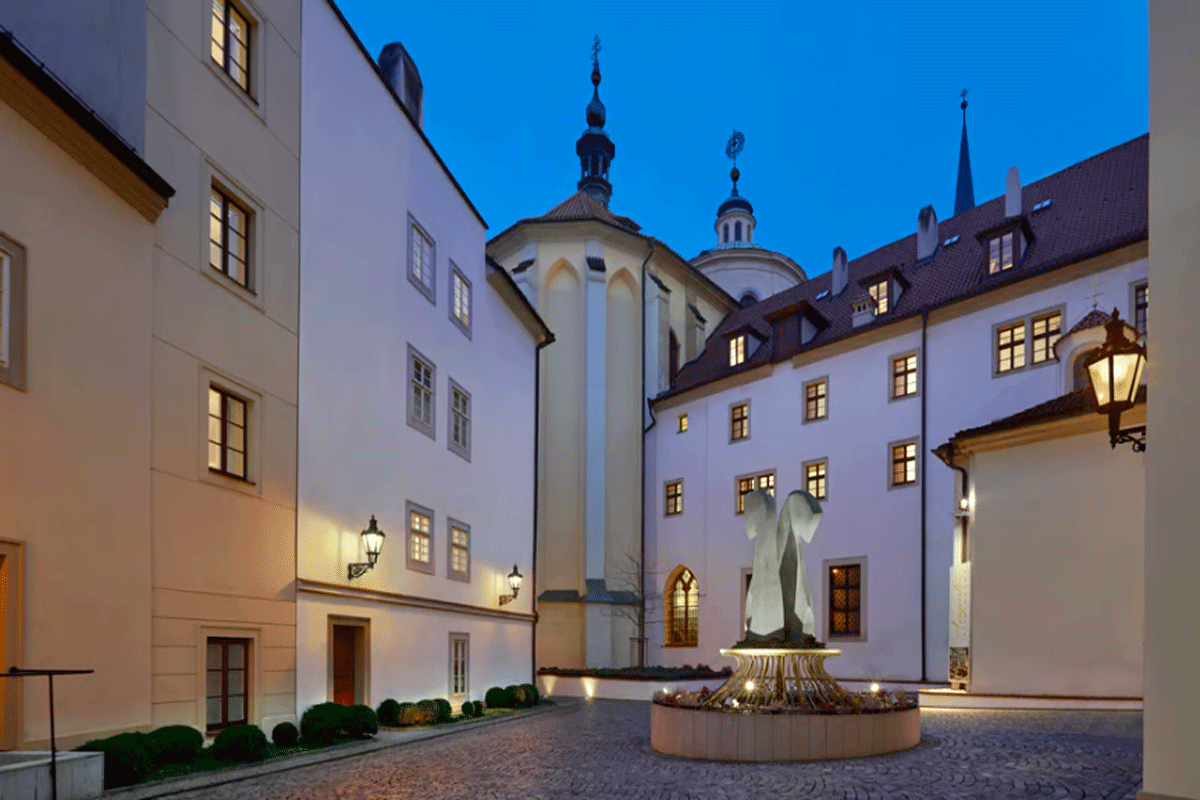
Kempinski is preparing to relaunch the Augustine Hotel in Prague in early 2027, placing wellness and cultural heritage among the defining elements of the property's new positioning. Located in the historic Malá Strana district beneath Prague Castle, the 101-room hotel occupies part of a 13th-century Augustinian monastery complex that continues to accommodate an active religious community.
The German-founded luxury hotel group acquired the property in April 2026, marking its first wholly owned hotel acquisition in more than five decades. An extensive refurbishment is now underway to prepare the hotel for its next chapter as Kempinski Augustine Hotel, Prague. The transformation will encompass guestrooms, public spaces, dining experiences and cultural programming, while retaining the architectural character of the historic buildings.
Wellness is expected to form part of the hotel's renewed identity, building on the existing Augustine Spa and the monastery's long association with contemplation and spiritual life. The project reflects an approach to luxury hospitality that combines personalised relaxation experiences with a distinctive historical setting. However, Kempinski has not yet announced whether the spa itself will undergo major changes or introduce additional treatments.
Monastic heritage meets contemporary wellness
The Augustine Hotel occupies seven historic buildings associated with the Augustinian Monastery of St Thomas, whose origins date back approximately 800 years. Unlike many former religious properties converted into hotels, the complex retains a living monastic presence, adding a distinctive dimension to the guest experience.
The existing Augustine Spa draws on this atmosphere through a selection of personalised treatments and relaxation facilities. Its Monastery Spa Ritual combines traditional foot cleansing with an aromatherapy massage and facial treatment, while the Augustine Signature Massage allows guests to select oils according to their preferences.
Additional facilities include a hammam, sauna, steamroom, relaxation area and a fitness centre operating around the clock. More than 650 square metres of outdoor terraces and gardens provide further opportunities for relaxation within the historic city centre.
These services position the property within the urban wellness segment, where travellers combine cultural exploration with spa treatments and restorative leisure experiences. Unlike medical wellness facilities offering clinical programmes, the Augustine Spa focuses on relaxation, personal care and hospitality-based wellbeing.
The monastery setting provides an additional element of differentiation. Historic religious buildings can offer an atmosphere associated with quiet reflection and withdrawal from everyday routines, although such surroundings should not be confused with medically validated therapeutic environments.
Cultural experiences shape the relaunch
The refurbishment is being developed under the direction of LDS Design Studio, with creative director Massimo Severo Barbera drawing inspiration from Prague's Gothic, Baroque and Bohemian architectural traditions.
Original vaulted ceilings, exposed wooden beams and other historic features are to be preserved as the hotel's 101 guestrooms, including 20 suites, receive updated interiors. New dining and social concepts are also being developed with specialist hospitality design partners.
Kempinski plans to introduce its Experience Real Access programme, connecting guests with local artists, craftspeople and cultural traditions. The hotel's monastic heritage is expected to play a role in these experiences, although specific activities have not yet been detailed.
For international wellness travellers, the combination of historic accommodation, spa facilities and cultural programming offers an alternative to destination resorts centred primarily on extensive treatment infrastructure.
The planned relaunch also illustrates how established luxury hotel groups are incorporating local heritage into their wellness positioning rather than relying exclusively on standardised spa concepts.
Kempinski has previously developed branded spa experiences through its association with Resense, but no involvement by the spa management company in the Prague project has been announced.
The Augustine Hotel remains operational during preparations for its early 2027 relaunch. Further information about potential spa renovations, new wellness programmes and the final range of guest experiences has yet to be released.
For Prague, the transformation will add another internationally branded luxury property to the city's hospitality market, with a particular emphasis on the relationship between architectural heritage, cultural experiences and contemporary wellbeing.
Image Credit: © Kempinski Hotels