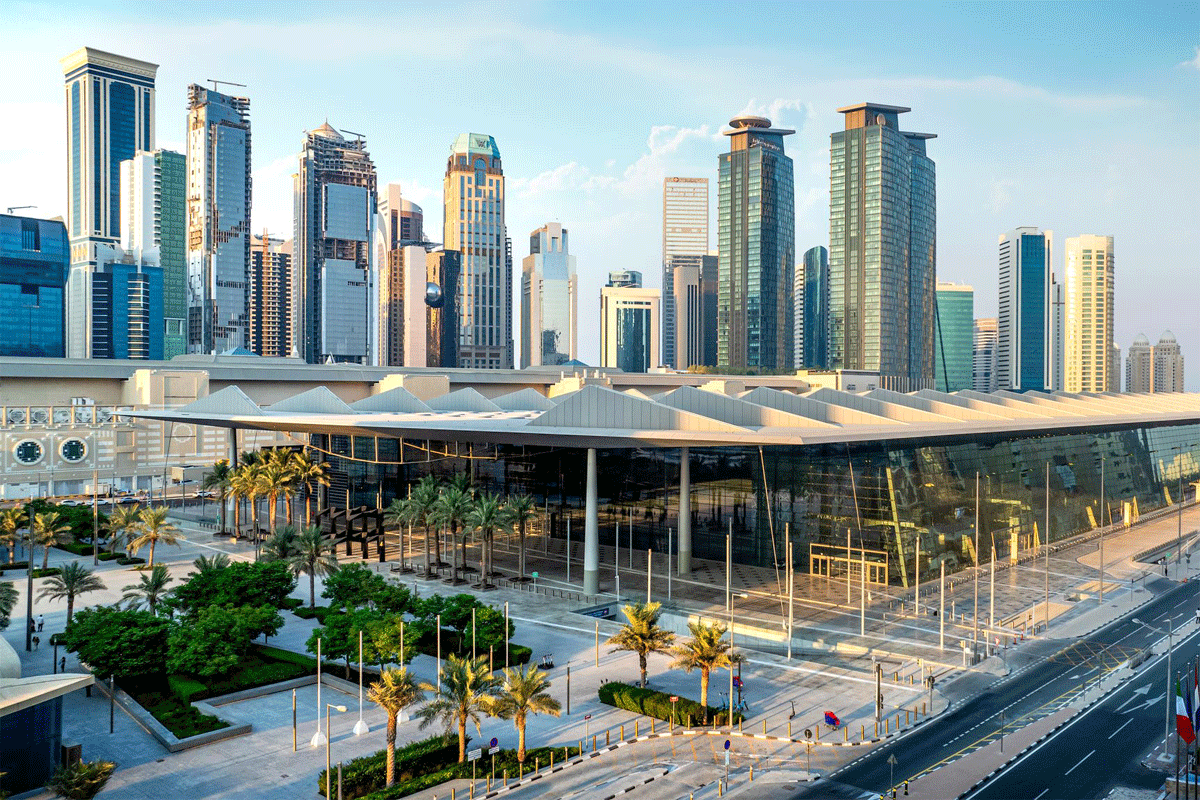

From advanced hospital care in Kuala Lumpur to specialist treatment in Penang and Melaka, Malaysia combines private healthcare, international connectivity and a growing wellness economy
Malaysia has developed one of Southeast Asia’s most established medical tourism sectors, attracting international patients through a combination of specialist hospital services, comparatively affordable private healthcare and well-developed tourism infrastructure. Its position reflects decades of investment in private hospitals, international patient services and government-supported promotion, with Kuala Lumpur, Penang and Melaka emerging as important centres for cross-border treatment.
The country’s appeal extends beyond individual medical procedures. International patients can access services ranging from cardiology, oncology and orthopaedic surgery to fertility treatment, health screening and rehabilitation. English is widely used in private healthcare, while Malaysia’s multicultural environment and established connections with neighbouring countries make it a familiar destination for patients from different linguistic and cultural backgrounds.
Malaysia also offers a distinctive combination of clinical healthcare and leisure travel. Modern urban hospitals operate alongside beach resorts, rainforest retreats and wellness facilities, creating opportunities for preventive health programmes and recovery-oriented stays. Yet the distinction between medical treatment and tourism remains important: complex procedures require appropriate clinical follow-up, and a resort environment cannot substitute for supervised rehabilitation or postoperative care.
A growing industry with strong regional demand
The Malaysia Healthcare Travel Council (MHTC), established under the Ministry of Health, coordinates the country’s international healthcare promotion and works with hospitals, government agencies and tourism partners. Its role has helped turn medical travel into a recognised component of Malaysia’s wider services economy.
According to figures reported by MHTC, Malaysia welcomed approximately 1.84 million healthcare travellers in 2025, generating around RM3.34 billion in healthcare revenue. This followed approximately 1.6 million travellers and RM2.72 billion in 2024. The figures cover a broad range of healthcare-related visits, including diagnostic screenings and outpatient services, rather than exclusively patients travelling for major surgery.
Growth continued into 2026. Preliminary MHTC data recorded 888,805 healthcare traveller arrivals and RM1.74 billion in revenue during the first six months of the year. The figures remained subject to revision as data collection continued. Indonesia was the leading source market, followed by China, Bangladesh and Cambodia.
Indonesia is particularly important because of geographical proximity, cultural familiarity and established patient referral networks. In 2025, Indonesian healthcare travellers generated RM2.2 billion in revenue, demonstrating the extent to which Malaysia’s medical tourism economy depends on demand from its largest neighbouring market.
Specialist medicine and leading hospitals
Malaysia’s strongest international medical specialties include cardiology, oncology, fertility treatment, orthopaedics and diagnostic medicine. Major private hospital groups such as IHH Healthcare, KPJ Healthcare and Sunway Healthcare have contributed to the development of specialist facilities and international patient services.
The National Heart Institute, known as Institut Jantung Negara, in Kuala Lumpur is one of the country’s best-known specialist institutions, focusing on cardiovascular medicine and cardiac surgery. Its prominence illustrates Malaysia’s capacity to provide complex treatment alongside the more routine health screenings that account for a substantial share of international healthcare visits.
Other important institutions include Sunway Medical Centre, Subang Jaya Medical Centre, Island Hospital in Penang and Mahkota Medical Centre in Melaka. Together, these hospitals illustrate the geographical and clinical diversity of Malaysia’s private healthcare sector.
In 2025, Island Hospital was recognised as the country’s first Flagship Medical Tourism Hospital following a national evaluation programme. The National Heart Institute, Mahkota Medical Centre and Subang Jaya Medical Centre were among the programme’s other finalists.
Accreditation is an important part of the country’s international positioning. Malaysian hospitals participate in national and international assessment systems, including those associated with the Malaysian Society for Quality in Health, Joint Commission International and the Australian Council on Healthcare Standards. However, accreditation applies to specific institutions and defined periods; it should never be assumed to cover every hospital or clinical service.
From Penang to Kuala Lumpur and Melaka
Malaysia’s medical tourism geography is concentrated around several established urban centres, each with a somewhat different market profile.
Penang has developed a particularly strong reputation among international patients, especially those travelling from Indonesia. The island combines private specialist hospitals with an international airport, established hotels and a tourism economy built around its cultural heritage and coastal attractions. Island Hospital and Gleneagles Hospital Penang are prominent providers within this medical travel ecosystem.
Greater Kuala Lumpur offers a broader concentration of tertiary medical services, including cardiovascular treatment, cancer care and advanced diagnostics. The capital’s international flight connections and extensive hospitality infrastructure make it a practical entry point for patients travelling from more distant markets.
Melaka, meanwhile, has built its position around established private hospitals and strong connections with Indonesian patients. Mahkota Medical Centre is among its recognised providers, while the city’s heritage attractions and accommodation sector support accompanying family members.
Johor, immediately north of Singapore, represents another developing healthcare market. Its proximity to Singapore creates opportunities for cross-border outpatient services, specialist consultations and elective treatment, although patients must assess travel logistics and continuity of care individually.
Wellness, prevention and traditional practices
Malaysia’s ambitions increasingly extend beyond hospital treatment. Preventive screening, lifestyle-oriented health programmes, wellness retreats and traditional complementary practices form part of the country’s broader healthcare tourism strategy.
Malaysia’s multicultural traditions include Malay massage, Chinese traditional medicine, Indian wellness practices and other complementary approaches. Some are offered through dedicated wellness establishments, while selected complementary services operate within regulated healthcare settings.
These practices should be distinguished from evidence-based clinical treatment. Their regulatory status, practitioner qualifications and supporting evidence vary, and they should not be presented as substitutes for conventional medical care.
Malaysia’s resort destinations, including Langkawi and parts of Sabah, provide opportunities for spa holidays, relaxation programmes and nature-based wellness experiences. Such services appeal to a different market from patients requiring hospital treatment, although the two sectors increasingly share promotional platforms.
Rehabilitation and preventive healthcare offer further opportunities, particularly where hospitals provide structured physiotherapy, postoperative follow-up or supervised recovery programmes. The suitability of combining medical care with leisure travel depends on the patient’s condition, treatment requirements and clinical advice.
Cost advantages and patient access
Competitive treatment pricing remains an important attraction. MHTC promotes Malaysia as a destination where selected medical procedures may cost substantially less than comparable services in Western countries, although actual savings depend on the procedure, hospital, clinical complexity and services included.
For international patients, the total cost must also include travel, accommodation, diagnostic investigations, possible complications and follow-up care. Published package prices may not cover every eventuality, making detailed written quotations essential.
Malaysia benefits from international aviation connections through Kuala Lumpur and regional gateways such as Penang. Many private hospitals offer international patient departments that assist with appointments, medical documentation, interpretation and practical arrangements.
Visa requirements depend on nationality and the purpose and duration of travel. Patients should confirm the applicable entry rules and any medical-travel documentation requirements before making treatment commitments.
A national strategy facing regional competition
Malaysia Year of Medical Tourism 2026 has placed the sector at the centre of a coordinated national promotional campaign. Launched by MHTC, the initiative seeks to strengthen the country’s international profile through cooperation between healthcare providers, tourism organisations and government agencies.
A partnership between Tourism Malaysia and MHTC, formalised in December 2025, connects medical tourism promotion with the wider Visit Malaysia 2026 programme. MHTC has also set an ambitious healthcare tourism revenue objective of RM12 billion by 2030. This remains a strategic target rather than a confirmed forecast.
The strategy includes diversification beyond traditional source markets. Promotional initiatives in China reflect increasing demand from Greater China, where healthcare travel revenue exceeded RM200 million in 2025.
Malaysia nevertheless faces substantial competition from Thailand, Singapore, India and other Asian medical tourism destinations. Maintaining its position will require continued investment in specialist expertise, clinical quality, transparent pricing and coordinated international patient services.
Domestic healthcare needs also remain important. Expanding private medical tourism must be balanced against workforce pressures and the accessibility of healthcare for Malaysian residents.
Malaysia’s long-term advantage lies in the combination of established hospitals, regional patient relationships, cultural familiarity and extensive tourism infrastructure. Its next stage of development will depend less on promotional visibility alone than on measurable clinical quality, reliable patient support and the ability to expand into higher-value specialist services without weakening domestic healthcare provision.
Image Credit: AI generated illustration