
New agreement strengthens testing and quality control as Hong Kong seeks a larger international role for Chinese medicine
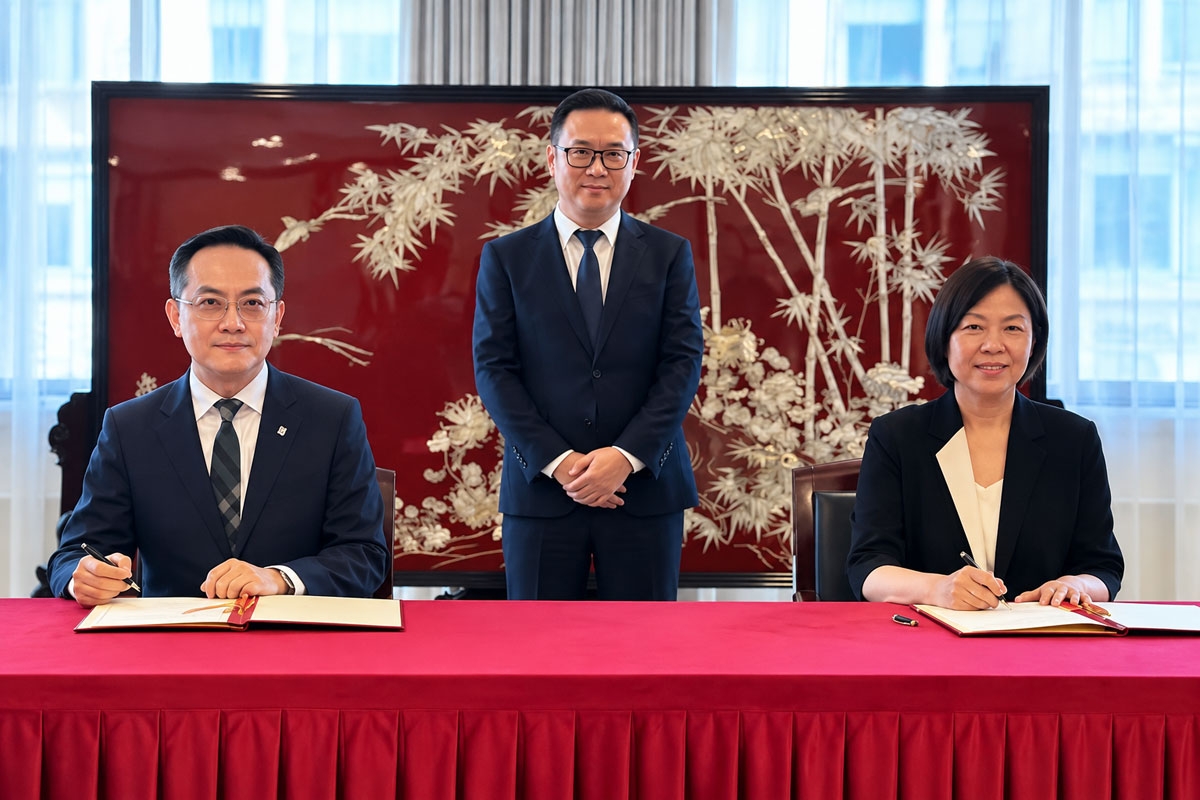
Hong Kong and mainland China are expanding their cooperation on the testing, quality control and international standardisation of Chinese medicine. During a visit to Beijing, Hong Kong’s Director of Health, Dr Ronald Lam, signed a cooperation agreement with China’s National Medical Products Administration (NMPA), extending a partnership that has developed over more than a decade.
The initiative is particularly relevant to the international healthcare and wellness sector because it addresses one of the central requirements for taking traditional Chinese medicine into overseas markets: internationally compatible standards for quality, safety and testing.
Agreement covers medicines, testing and safety
Under the agreement, the two sides will intensify cooperation on standards for Chinese Materia Medica, decoction pieces, proprietary Chinese medicines and Chinese medicine granules. The program also covers the development of testing technologies as well as safety testing and risk control.
Cooperation will include expert meetings, seminars and training programs, alongside closer technical coordination and professional development. A stated objective is to advance Chinese medicine standards and testing technologies in alignment with international standards.
The agreement was signed by Lam and He Li, Director General of the Hong Kong, Macao and Taiwan Affairs Office of the NMPA, in the presence of NMPA Commissioner Huang Guo.
Hong Kong positions itself as an international bridge
Hong Kong is seeking to use its technical expertise and international connections to support the wider global expansion of Chinese medicine. Its Government Chinese Medicines Testing Institute moved into its permanent building late last year. The institute’s Chinese Medicines Herbarium has received more than 300 representative specimens of Chinese Materia Medica with technical support from the NMPA and the National Institute for Drug Control.
Lam said Hong Kong intends to use its strengths in Chinese medicine testing and quality control to become “an important anchor for CM going global” and to expand research into medicinal resources worldwide. He added that closer cooperation should further improve testing expertise as well as quality and safety controls.
Smart healthcare also on the agenda
The Beijing visit extended beyond traditional medicine. Hong Kong’s Department of Health and the Beijing Municipal Health Commission jointly hosted the Beijing-Hong Kong Health Cooperation Exchange Conference during the 2026 China International Fair for Trade in Services.
Discussions covered smart healthcare, the translation of scientific research into practical applications, innovation in Chinese medicine and public health emergency response. Hong Kong representatives also presented the territory’s electronic health system, which connects public and private healthcare providers and enables real-time sharing of electronic health records.
Lam’s program in Beijing also included activities dedicated to health and wellness services at the China International Fair for Trade in Services.
For the international health and wellness sector, the cooperation illustrates how China and Hong Kong are working to place traditional Chinese medicine on a more standardized technical foundation, an important prerequisite for its broader acceptance and integration into international healthcare markets.
Image Credit: © AI generated illustration with material courtesy of HKSAR