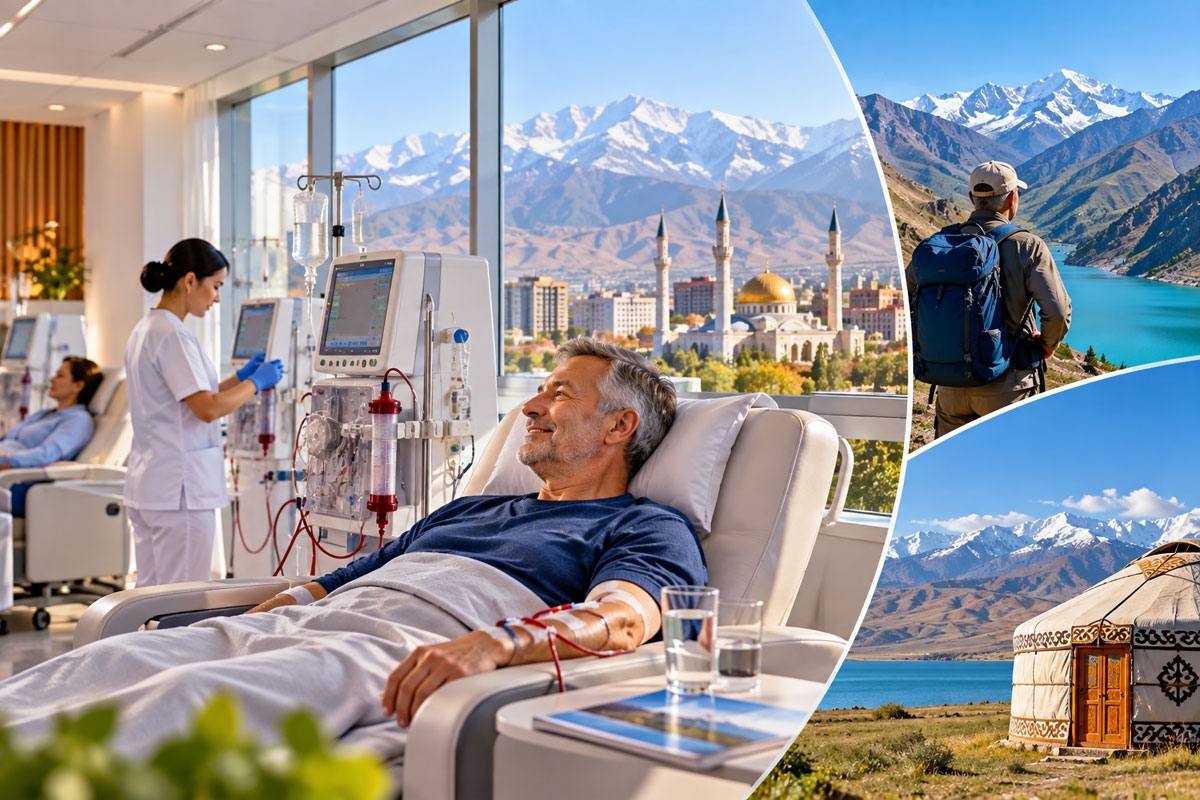

Draft development plan identifies eight priority destinations and proposes improved visa procedures, international patient services and closer cooperation between healthcare and tourism
Vietnam is developing a more detailed framework for international medical tourism, with plans to strengthen hospital accreditation, improve services for foreign patients and establish specialised healthcare destinations by 2030. A draft scheme prepared by the Ministry of Health sets out concrete targets intended to turn the country's medical capabilities and tourism infrastructure into a more competitive international offering.
One of the central objectives is to have at least 20 hospitals obtain international quality accreditation by 2030, including a minimum of five public hospitals. The proposal also identifies eight priority localities where medical facilities, accommodation providers, transport services and tourism businesses could be connected to create integrated healthcare travel destinations.
The initiative adds substance to Vietnam's broader ambitions in health and wellness tourism. While the country already offers modern hospital services, traditional medicine, mineral springs and resort facilities, the government recognises that attracting international patients requires more than individual healthcare providers. Reliable clinical standards, transparent pricing, coordinated patient assistance and suitable entry arrangements are essential to developing a professional medical tourism sector.
Eight destinations and five medical service categories
The draft identifies Hanoi, Ho Chi Minh City, Hai Phong, Quang Ninh, Da Nang, Hue, Khanh Hoa and An Giang, particularly Phu Quoc, as priority areas for medical tourism development.
The selection reflects different regional strengths in healthcare capacity, international accessibility and tourism infrastructure. Major urban centres provide specialist hospitals and advanced diagnostic services, while coastal and island destinations offer opportunities to combine selected medical services with rehabilitation, wellness and longer stays.
The Ministry of Health proposes five principal service categories. These cover preventive health screening and early disease detection; dentistry and assisted reproductive medicine; specialist medical examination and treatment; traditional medicine and rehabilitation; and wellness, resort-based services and elderly care.
The range illustrates Vietnam's intention to address several segments of international health tourism rather than concentrating exclusively on elective procedures.
However, these categories involve substantially different requirements. Complex medical treatment depends on specialist clinical expertise and hospital infrastructure, while rehabilitation requires continuity of care and appropriate supervision. Wellness programmes and traditional therapies must be distinguished from treatments supported by established clinical evidence.
Visa facilitation and patient coordination
Improving the practical experience of international patients is another important element of the proposed strategy.
The draft calls for a review of legal and administrative arrangements, including preferential visa and accommodation provisions for foreign patients and accompanying relatives or caregivers. It also addresses international insurance payments, treatment pricing and incentives for private investment.
Standardised patient services are envisaged throughout the treatment process, from initial consultation and appointment scheduling to reception, medical care, payment and post-treatment follow-up.
Multilingual information about treatment costs and service quality would be an important component. Such arrangements could help international patients assess providers before travelling and reduce uncertainty during their stay.
The proposed measures also recognise that medical tourism involves more than hospital treatment. Accommodation, accessible transport, interpretation and support for accompanying relatives can be essential, particularly for patients undergoing complex procedures or requiring extended rehabilitation.
Vietnam's tourism authorities see additional opportunities in linking healthcare with the country's natural and cultural resources. Beaches, mineral springs, mud baths, medicinal plants and traditional medicine provide a foundation for wellness tourism, although recreational experiences and clinical treatment require different standards of oversight.
Accreditation and patient safety remain central
The target of 20 internationally accredited hospitals is among the most measurable elements of the proposed programme. Accreditation could support international confidence in participating institutions, provided that the relevant standards, assessment bodies and certification requirements are clearly defined.
International accreditation should nevertheless not be interpreted as a guarantee of successful treatment. Patients must also consider the qualifications of individual medical teams, clinical outcomes, complication management and the availability of appropriate follow-up care.
The Ministry of Health has emphasised that international medical tourism development must not compromise healthcare quality or access for Vietnam's domestic population.
This is particularly relevant as the country seeks to attract investment and expand specialist services. International patient demand may create opportunities for hospitals and tourism businesses, but sustainable development requires a balance between commercial growth and domestic healthcare needs.
The 2026–2030 scheme remains a draft, and its targets and proposed regulatory measures should not be regarded as completed reforms.
For Vietnam, the significance of the initiative lies in the move towards a more structured medical tourism framework. Whether the country can establish a stronger international position will depend on translating accreditation targets, regional development plans and patient service proposals into operational healthcare networks with transparent standards and reliable medical care.
Image Credit: © AI generated illustration