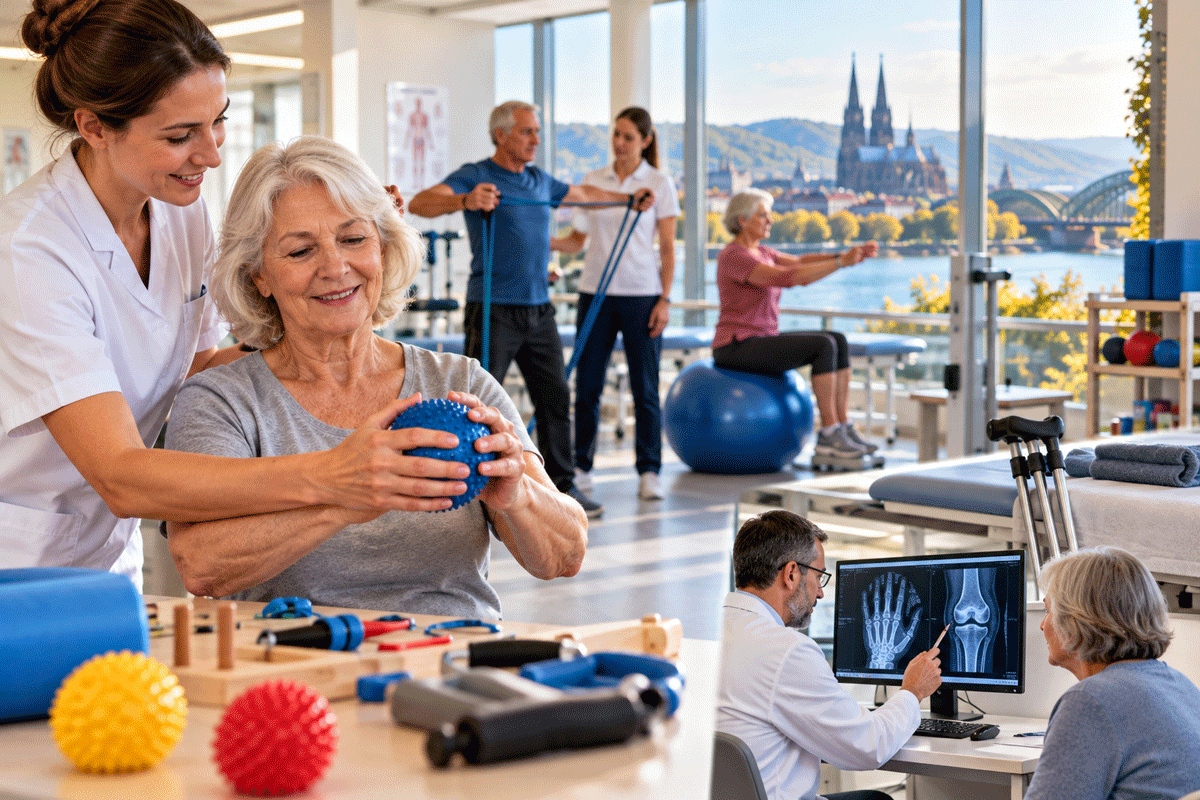
Multidisciplinary treatment combining medical care, occupational therapy and physiotherapy demonstrates Germany’s specialised approach to managing chronic rheumatic diseases
Germany’s specialist rheumatology clinics provide multidisciplinary treatment for patients living with chronic inflammatory and degenerative musculoskeletal conditions. By combining medical diagnostics, medication management, physiotherapy and occupational therapy, these facilities aim to improve patients’ ability to manage everyday activities and maintain independence despite persistent symptoms.
The German Association of Occupational Therapists (DVE) has highlighted the importance of occupational therapy within specialised rheumatological care. According to the association, patients attending specialist clinics receive support not only in managing pain and physical limitations but also in developing practical strategies that can be continued at home. The approach addresses challenges such as reduced joint mobility, fatigue, difficulties with daily activities and the psychological consequences of long-term illness.
For international healthcare providers and patients considering specialised rehabilitation abroad, Germany’s multidisciplinary model offers an example of how chronic disease management can extend beyond medical treatment alone. However, the DVE announcement does not identify specific programmes for international patients or provide information about cross-border referrals, treatment costs or the availability of rehabilitation places for overseas visitors. Such details would need to be established directly with individual clinics.
Combining medical treatment with rehabilitation
Rheumatic diseases encompass a wide range of conditions affecting joints, muscles, connective tissues and, in some cases, internal organs. Their symptoms and treatment requirements vary considerably, making accurate diagnosis and individualised care essential.
In specialist rheumatology clinics, patients may undergo medical examinations, imaging procedures and assessments of their existing medication. Depending on the diagnosis and clinical needs, treatment can involve several professional disciplines working together.
Occupational therapy plays a particularly important role in helping patients translate medical and rehabilitative recommendations into everyday routines.
Luisa Bollermann, an occupational therapist associated with the DVE, describes an approach in which therapists examine patients’ daily activities, physical limitations and personal priorities before developing practical strategies to reduce unnecessary strain.
These may include joint protection techniques, adjustments to household activities, appropriate assistive devices and methods of managing fatigue.
Energy management, often described as pacing, can help patients balance activity and rest according to their individual capabilities. The objective is to avoid excessive strain while supporting participation in meaningful daily activities.
Physiotherapy complements these interventions through exercises and other measures intended to maintain or improve mobility, strength and physical function.
The effectiveness and suitability of individual interventions depend on the underlying condition, disease activity and the patient’s overall health. Rehabilitation programmes therefore require clinical assessment rather than a standardised approach for all rheumatic diseases.
Occupational therapy supports long-term independence
A central objective of rheumatological rehabilitation is to help patients remain as independent as possible.
Chronic joint pain, stiffness and fatigue can affect activities that are easily taken for granted, including dressing, preparing meals, writing and using everyday household objects.
Occupational therapists assess these difficulties and recommend practical adjustments. Adapted cutlery, enlarged grips and other assistive devices can make routine tasks easier for people experiencing reduced hand strength or mobility.
The DVE also emphasises the importance of addressing reluctance to use assistive equipment. Some patients associate visible aids with disability or ageing and may initially avoid them, even when they could improve daily functioning.
Education and individual counselling can help patients understand how such equipment supports autonomy and participation in social activities.
Another important component is the development of routines that patients can maintain after leaving the clinic. Rehabilitation benefits depend partly on whether recommended strategies can be incorporated into everyday life.
This is particularly relevant for chronic conditions requiring ongoing management rather than a single course of treatment.
Specialised rehabilitation and international patient care
Germany has an established system of specialist medical and rehabilitation services, including facilities treating rheumatological and musculoskeletal conditions.
For patients considering treatment outside their home country, multidisciplinary rehabilitation may be relevant when specialised assessment, coordinated therapy or support with complex functional limitations is required.
However, international access to German rehabilitation services depends on several factors, including the patient's diagnosis, medical eligibility, the type of facility and applicable financing arrangements.
Rehabilitation should also be distinguished from acute hospital treatment. Some patients require specialist medical intervention, while others may benefit from structured rehabilitation following stabilisation of their condition. The appropriate setting depends on individual clinical circumstances.
Cross-border treatment planning additionally requires consideration of medical documentation, language support, continuity of medication and follow-up arrangements after the patient returns home.
The DVE's account of occupational therapy in rheumatology clinics does not establish how many international patients use these services or which facilities actively recruit patients from abroad.
Nevertheless, the multidisciplinary approach illustrates an important aspect of Germany’s specialised healthcare provision: rehabilitation is intended not only to address symptoms during a clinical stay but also to help patients manage the practical consequences of chronic illness over time.
For international patients and referring healthcare professionals, the availability of coordinated medical and rehabilitative expertise may be an important consideration when evaluating specialised treatment options in Germany.
Image Credit: AI generated illustration