The designation paves the way for new aquatic therapy facilities and an urban health tourism model built around 1,400 years of thermal bathing tradition
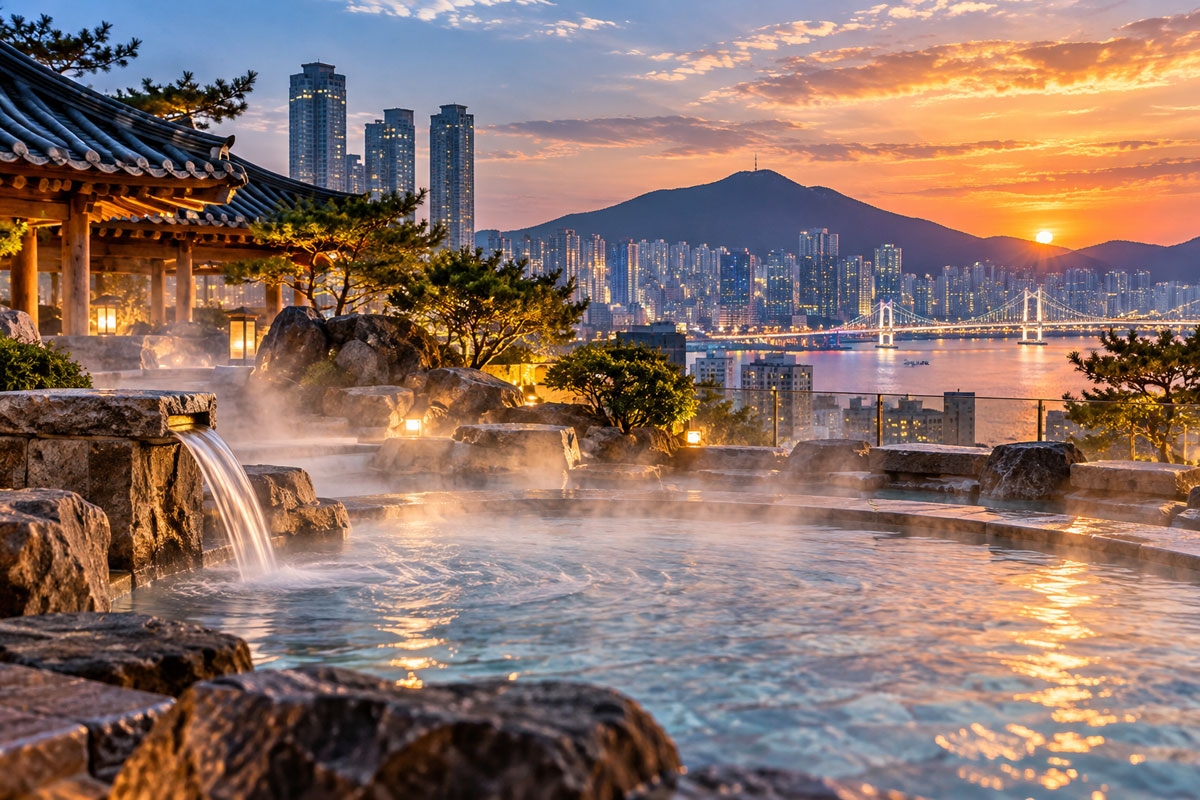
Busan is preparing to turn one of South Korea’s oldest thermal bathing districts into a modern urban wellness destination. The country’s Ministry of the Interior and Safety has designated Dongnae Hot Springs District as South Korea’s fourth official Spa City, opening the way for new health and wellness infrastructure centred on the area’s natural geothermal resources.
Dongnae stands apart from South Korea’s existing spa cities through its metropolitan setting. While Chungju, Asan and Changnyeong largely follow rural or suburban resort models, the Busan district combines natural hot springs with the transport infrastructure and tourism services of the country’s second-largest city. Around two million people already visit the area each year.
Thermal waters at the heart of a new health tourism concept
Dongnae’s hot springs have been used for centuries, with their history traditionally traced back around 1,400 years. The geothermal waters emerge at temperatures reaching 70.3 degrees Celsius, providing the natural resource around which the district now plans to develop a broader wellness and health tourism offering.
The national designation followed field inspections and expert assessments of Dongnae’s development plans. Among the factors supporting its selection were the high-temperature thermal waters and the district’s accessibility through Busan’s subway and regional transport network.
The plans go beyond the traditional public bathhouses for which the area has long been known. A comprehensive spa healing centre is planned, including facilities for specialised aquatic therapy. Public thermal relaxation facilities are also intended to make use of the springs part of everyday urban life rather than an experience confined to conventional spa resorts.
Busan links wellness, nature and urban tourism
The strategy also seeks to connect the thermal district with the surrounding natural environment. Nearby Mount Geumjeong National Park is expected to become part of combined outdoor and wellness itineraries, allowing visitors to link thermal bathing with hiking, recreation and nature experiences.
Local authorities also plan to further develop the annual Dongnae Hot Springs Festival and create regional products associated with the thermal district. The aim is to broaden Dongnae’s appeal to both Korean and international visitors while generating additional economic activity around the historic springs.
“Dongnae Hot Springs is expected to re-emerge as a premier urban destination that provides high-quality relaxation for both residents and visitors,” said Jin Myeong-ki, head of the local innovation office at the Ministry of the Interior and Safety. “The government will continue to support this urban spa model so it can serve as a strong foundation for local economic revitalization.”
An urban model for Korean spa tourism
For South Korea, the Dongnae project represents an attempt to combine a centuries-old bathing culture with contemporary wellness tourism without separating the experience from city life. Its location within Busan gives the district an advantage that traditional spa resorts often lack: visitors can combine thermal and wellness experiences with the cultural, culinary and coastal attractions of a major international destination.
If the planned healing and aquatic therapy facilities are successfully integrated into the existing hot spring district, Dongnae could also provide a model for using historic thermal resources as part of broader urban health tourism development.
Image Credit: © AI generated illustration