The Sancheong Herbal Medicine Festival demonstrates how centuries-old Korean medical traditions are being integrated into contemporary wellness tourism
South Korea is drawing on its traditional medical heritage to develop distinctive wellness tourism experiences that combine cultural discovery, herbal medicine and health-oriented activities. The Sancheong Herbal Medicine Festival, held from October 2 to 11, 2026, in the country's southern Gyeongsangnam-do province, illustrates how regional traditions can become an important element of modern tourism development.
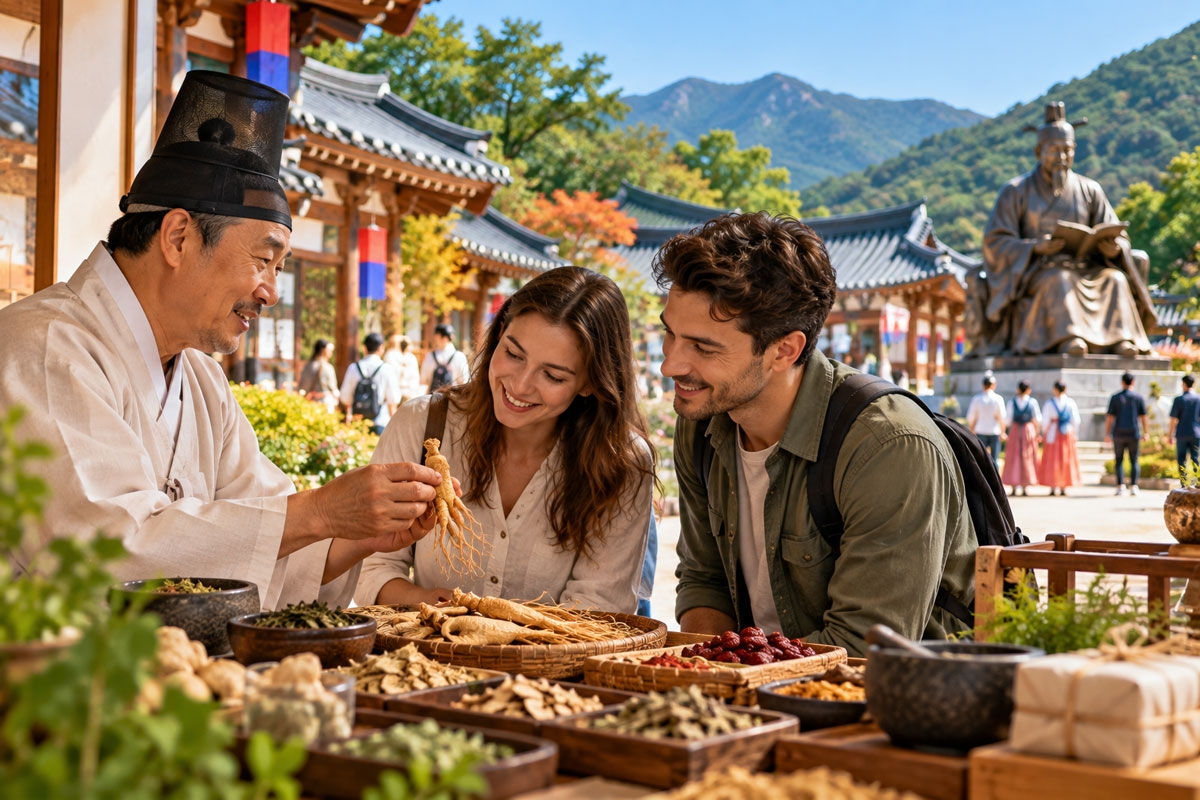
The ten-day event took place at Donguibogam Village in Sancheong, a destination dedicated to Korean traditional medicine and its cultural heritage. Under the theme "Sancheong with Korean Medicine, Becoming the Center of K-Wellness," the festival brought together exhibitions, educational programmes and activities designed to introduce visitors to traditional approaches to health and well-being.
Now in its 26th edition, the festival reflects more than two decades of efforts to establish Sancheong as a destination associated with herbal medicine and wellness experiences. Its recognition as an Honorary Cultural Tourism Festival for 2026–2027 also underlines its established position within South Korea's regional tourism landscape.
Traditional medicine meets contemporary wellness tourism
Traditional Korean medicine has developed over centuries, drawing on herbal preparations and approaches to health that remain part of the country's cultural identity.
The Sancheong festival uses this heritage as the foundation for an accessible visitor experience, allowing tourists to explore traditional medical concepts without necessarily seeking clinical treatment.
Among the programmes announced for the 2026 edition were the Sancheong Hyeminseo traditional medicine experience, personalised wellness activities and the Korean Medicine Wellness Hall.
These attractions were designed to introduce visitors to different aspects of Korean medical traditions through exhibitions, demonstrations and participatory activities.
The programme also included herbal medicine displays, product presentations and educational opportunities intended to make the subject accessible to visitors with different levels of familiarity with traditional Korean healthcare.
Such experiences illustrate an important distinction within health tourism. While medical tourism generally involves travelling to receive healthcare services, wellness tourism can also encompass cultural activities, relaxation and opportunities to learn about traditional approaches to well-being.
Sancheong builds on its herbal medicine heritage
The festival's location at Donguibogam Village is central to its identity.
The destination takes its name from the Donguibogam, a historic Korean medical compendium that occupies an important place in the country's medical and cultural heritage.
By connecting traditional medical knowledge with tourism activities, Sancheong offers visitors an experience rooted in local history rather than relying exclusively on conventional spa and resort facilities.
The festival, first held in 2001, has become one of the region's established cultural tourism events.
Its programme extends beyond medicine and wellness to include entertainment and activities for families. The 2026 edition featured plans for performances, interactive attractions and opportunities to discover regional products.
This combination of educational content and recreational activities allows the destination to appeal to a broader audience than travellers specifically interested in health treatments.
It also creates opportunities for local producers and tourism businesses to participate in an event built around the region's cultural identity.
K-Wellness adds another dimension to South Korea's tourism identity
The festival's emphasis on K-Wellness reflects the potential for traditional Korean health practices to complement the country's established international image.
South Korea is widely associated with contemporary cultural exports, while its healthcare and wellness sectors offer additional opportunities to attract international interest.
Traditional medicine provides a different perspective on the country's health-related tourism offering, particularly for travellers seeking experiences connected with local history, cultural practices and personal well-being.
For destinations such as Sancheong, this approach offers a way to distinguish regional tourism products from conventional urban attractions and medical travel services.
However, cultural interest in traditional medicine should be distinguished from evidence of clinical effectiveness. The historical significance of herbal preparations and traditional practices does not automatically establish their safety or therapeutic benefits for specific medical conditions.
The Sancheong festival primarily presents these traditions as educational, cultural and wellness experiences rather than as substitutes for conventional medical care.
Regional heritage creates opportunities for health tourism
Sancheong's approach illustrates how smaller destinations can develop specialised tourism identities around existing cultural resources.
Instead of competing directly with major medical centres or international wellness resorts, the region has built a recurring event that introduces visitors to its herbal medicine heritage.
The festival's honorary cultural tourism designation for 2026–2027 provides additional recognition for this positioning.
Although the available information does not establish the number of visitors attending the 2026 edition or its economic impact, the event's long history demonstrates a sustained commitment to traditional medicine as a tourism theme.
For the international health tourism industry, Sancheong offers an example of how cultural heritage, wellness activities and destination development can be brought together.
As interest in health-oriented travel continues to diversify, experiences rooted in local traditions may provide destinations with opportunities to reach visitors looking for more than conventional sightseeing or spa holidays.
Image Credit: AI generated illustration