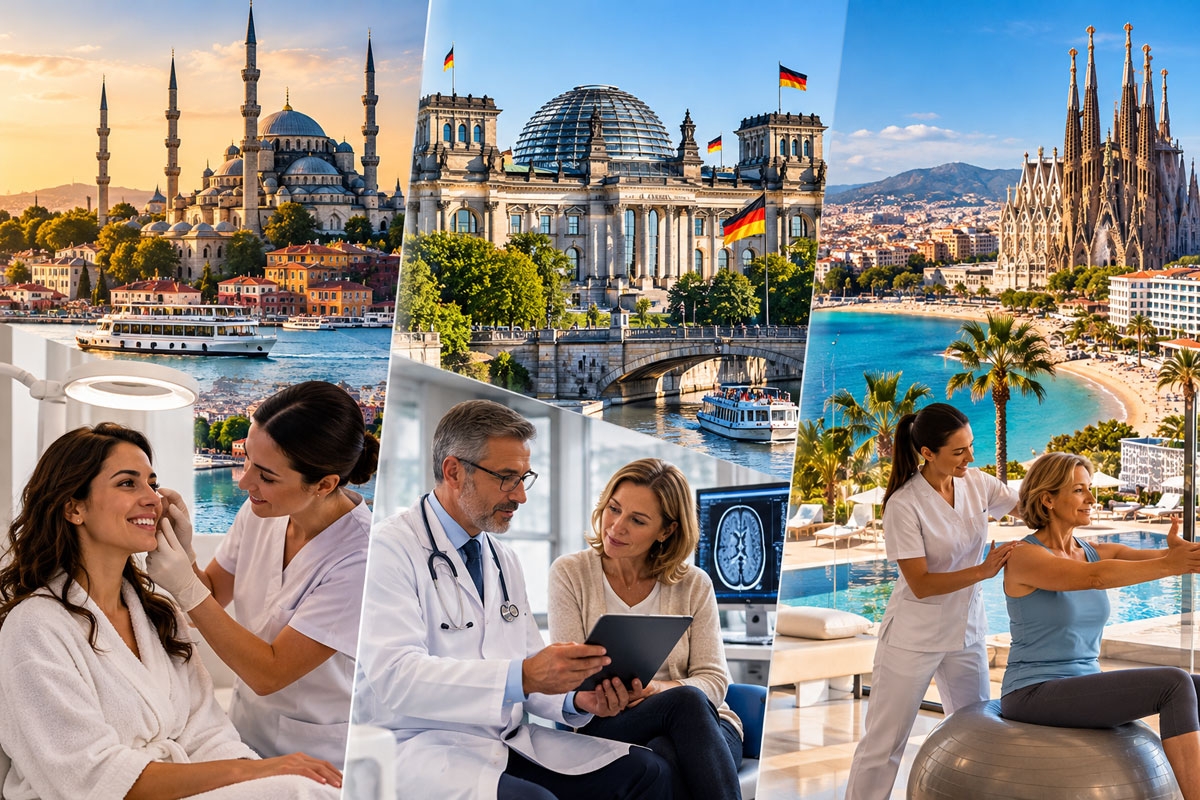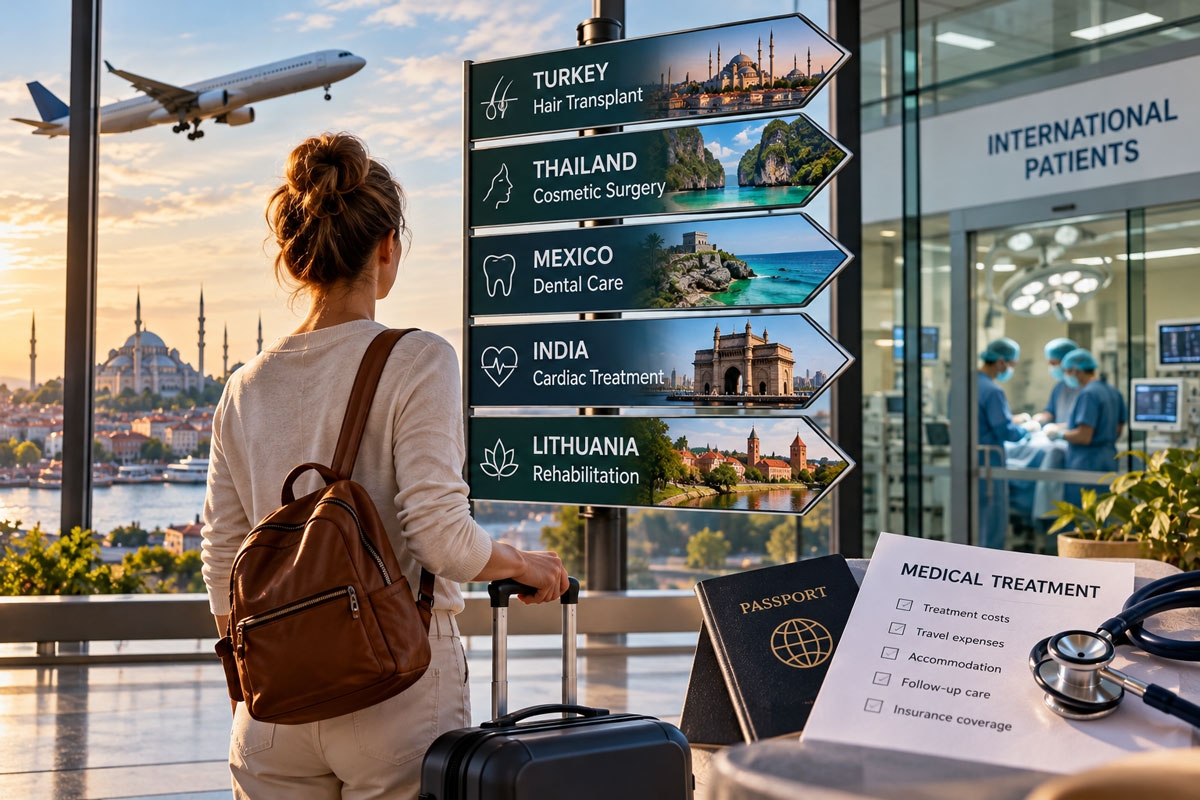

Health optimisation experts argue that better sleep, nutrition and recovery should become essential elements of hospitality rather than exclusive luxury services
The growing interest in longevity is beginning to influence the international hospitality industry, raising questions about how hotels can contribute to their guests' health and well-being. While luxury properties increasingly introduce specialised wellness technologies and sophisticated treatment programmes, industry experts are calling for a broader approach that makes healthy living an integral part of the hotel experience.
At the 26th World Travel & Tourism Council (WTTC) Global Summit, held in Malta in October 2026, longevity emerged as one of the topics shaping discussions about the future of travel. The debate highlighted a potential shift away from treating health and wellness primarily as premium services towards incorporating everyday health-supporting measures into conventional hospitality.
Tim Gray, founder of Health Optimisation, advocated the principle of "longevity as standard", suggesting that hotels across different market segments should help travellers maintain healthy routines while away from home.
His approach places fundamental aspects of physical recovery and well-being ahead of expensive technologies, challenging the assumption that longevity tourism necessarily requires elaborate medical or wellness facilities.
Longevity moves beyond luxury wellness
The concept of longevity has gained considerable attention in the international wellness industry, particularly among luxury hotels and resorts seeking to differentiate their services.
Some properties have introduced technologies such as hyperbaric oxygen therapy and infrared saunas, reflecting growing commercial interest in treatments associated with recovery, health optimisation and healthy ageing.
However, the increasing visibility of these services also raises questions about their accessibility and their place within the wider hospitality market.
Not every traveller is seeking an intensive wellness programme or specialised treatment. Many simply want to maintain their usual health routines during business trips, holidays or extended stays.
This distinction is becoming increasingly relevant as hotels explore opportunities to respond to changing expectations surrounding health-conscious travel.
Better sleep and nutrition before expensive treatments
Speaking during the WTTC Summit, Gray emphasised that the foundations of well-being are comparatively straightforward.
Adequate sleep, balanced nutrition, sufficient hydration and regular physical activity remain central to maintaining healthy routines, regardless of whether someone is at home or travelling.
For hotels, supporting these habits does not necessarily require substantial investment in specialised equipment.
Simple improvements to guest rooms, including effective blackout curtains and the elimination of distracting electronic lights, can create more favourable sleeping conditions.
Food and beverage services can also contribute by providing healthier options, including alternatives to the conventional selection of snacks and drinks found in hotel minibars.
Similarly, convenient opportunities for physical activity can help guests remain active without having to interrupt their normal routines.
Gray's argument places advanced wellness technologies in a supporting role rather than treating them as the foundation of a health-oriented hotel experience.
Advanced wellness technologies require careful assessment
The growing popularity of longevity-related services has encouraged some hospitality providers to explore technologies traditionally associated with medical or therapeutic settings.
Hyperbaric oxygen therapy is one example receiving attention in the premium wellness market. The treatment involves breathing oxygen under increased atmospheric pressure and has established medical applications for certain conditions.
However, its use for general longevity, anti-ageing or routine recovery should not be confused with medically established indications. Evidence supporting broader wellness claims remains limited, and such treatments require appropriate professional assessment and safety precautions.
Infrared saunas and other recovery-oriented facilities are also becoming part of the commercial wellness landscape, although their potential benefits should be evaluated according to the specific intervention and available scientific evidence.
For hotels entering this market, distinguishing between general wellness amenities and medical services is particularly important.
New opportunities for health-oriented hospitality
The discussion in Malta points towards a potentially significant development for the international health tourism industry.
Traditional medical tourism focuses on patients travelling to receive healthcare services, while wellness tourism encompasses a broader range of activities intended to support physical and mental well-being.
Longevity-oriented hospitality occupies an increasingly visible position within this wider market, combining elements of preventive health, lifestyle management and conventional accommodation.
For established wellness resorts, the trend may create opportunities to expand services beyond individual treatments towards more comprehensive guest experiences.
For conventional hotels, the implications could be even more substantial. Improving sleep environments, offering healthier food and making physical activity more accessible are measures that can be introduced without transforming a property into a medical or wellness resort.
The commercial potential of this approach will depend on whether travellers increasingly consider health-supporting facilities when selecting accommodation.
The WTTC discussion did not establish that longevity services will become an industry-wide standard. It did, however, highlight a growing debate about the responsibilities and opportunities of hotels in supporting healthier travel.
Rather than defining longevity through expensive treatments alone, the emerging approach suggests that the future of health-oriented hospitality may begin with something considerably simpler: helping guests sleep better, eat well, remain active and recover from the demands of travel.
Image Credit: AI generated illustration