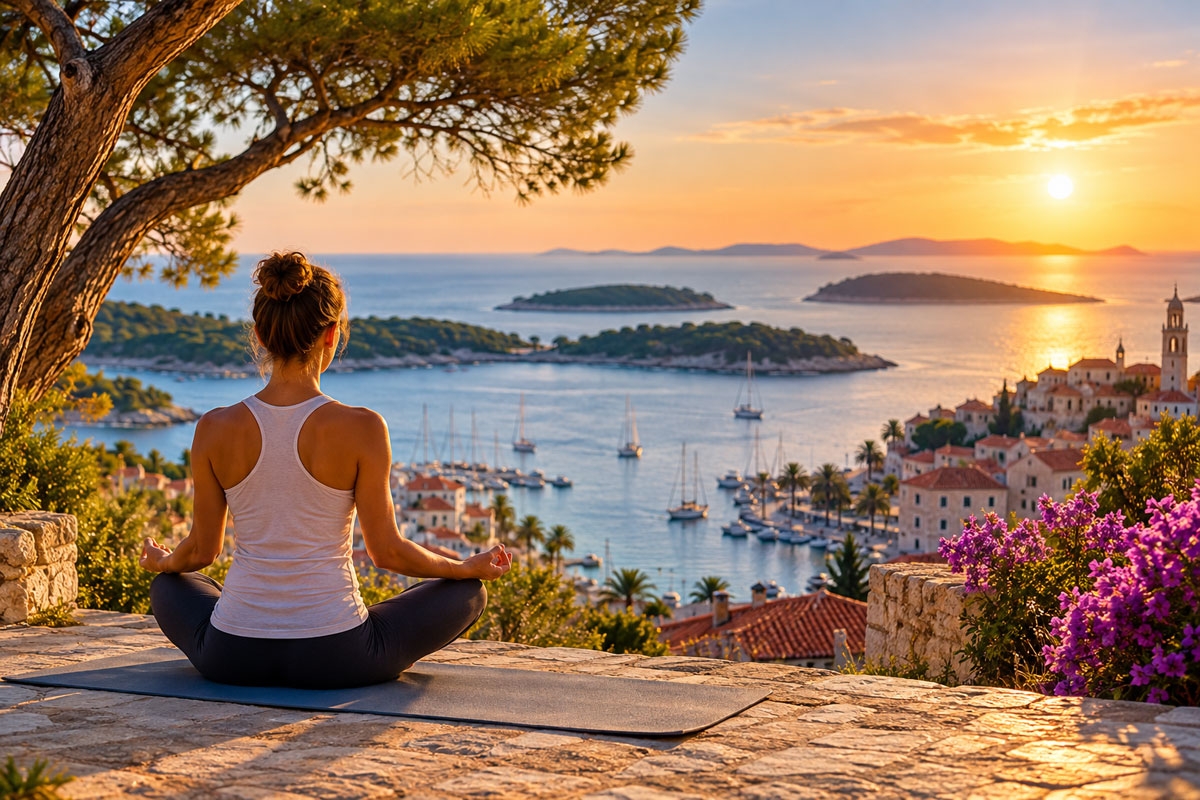

An international analysis of customer reviews across more than 35 countries places Australia ahead of Estonia and Lithuania, highlighting the growing importance of yoga, meditation, spas and healthy dining
Australia has been ranked the world's leading destination for wellness experiences in a new international study examining customer satisfaction with health and well-being services. The research, conducted by Australian health insurance comparison service iSelect, analysed Google review ratings for wellness providers in more than 35 countries. Australia achieved an average rating of 4.82 out of five stars, placing it ahead of Estonia and Lithuania.
The study assessed a range of services associated with physical and mental well-being, including yoga studios, meditation centres, healthy eating establishments, spas and saunas. Australia's leading position was supported by particularly strong ratings for meditation facilities, yoga providers and spa and sauna experiences. The findings suggest that customer satisfaction with individual wellness services can offer an additional perspective on the attractiveness of destinations for health-conscious travellers.
European countries featured prominently in the ranking, with Estonia taking second place and Lithuania third. The United Kingdom and Switzerland shared fourth position, followed by Portugal, Slovenia and Poland in joint sixth place. Malta ranked ninth, while Brazil completed the top ten. The results illustrate the geographical diversity of wellness offerings, although the ranking measures online customer ratings rather than international wellness tourism arrivals, expenditure or overall destination quality.
Australia Scores Highest for Wellness Experiences
Australia's average rating of 4.82 out of five reflects favourable customer feedback across several categories of wellness services.
Meditation centres were among the country's strongest performers, alongside yoga facilities and establishments offering spa and sauna experiences.
These activities represent different elements of contemporary wellness travel. Meditation and yoga are frequently associated with relaxation and mindfulness, while spa treatments and thermal experiences form part of established leisure and wellness tourism products.
For tourism businesses, the combination of different services can support the development of wellness-oriented travel packages, ranging from short urban breaks to longer stays incorporating outdoor activities, relaxation and healthy dining.
However, the study does not establish how many international visitors travel specifically to Australia for wellness purposes. Its findings relate to ratings of individual providers rather than the economic size of the country's wellness tourism industry.
Baltic Countries Perform Strongly
Estonia and Lithuania achieved particularly favourable results, taking second and third place respectively.
Estonia received strong ratings for meditation and yoga services and was also among the leading countries for healthy eating establishments.
Lithuania recorded an average rating of 4.80 out of five, with meditation and yoga offerings contributing to its high position.
The performance of both Baltic countries demonstrates that highly rated wellness services are not confined to destinations traditionally associated with luxury spa resorts or established health retreats.
For destination marketing organisations and tourism operators, the findings highlight opportunities to position wellness experiences alongside cultural attractions, urban tourism and nature-based activities.
Smaller destinations may be able to differentiate their offerings through specialised services and customer satisfaction rather than relying exclusively on large-scale resort infrastructure.
European Spa Traditions Remain Competitive
Several established European wellness destinations also appeared among the highest-ranked countries.
Switzerland shared fourth position with the United Kingdom, performing particularly well in meditation and healthy eating. The United Kingdom received stronger ratings in the categories of yoga centres, spas and saunas.
Portugal, Slovenia and Poland shared sixth place, representing different traditions and approaches to wellness tourism.
Poland has an extensive network of specialised spa facilities, historic health resorts and thermal bathing establishments. Slovenia is known for its natural thermal and mineral springs, alongside wellness experiences in alpine and coastal settings.
Portugal combines its mild climate and coastal environment with opportunities for yoga retreats, surfing and spa experiences.
Malta ranked ninth, with meditation facilities contributing to its position, while Brazil completed the top ten with favourable ratings for healthy eating, personal care and yoga services.
These results underline the diversity of wellness tourism products, from traditional thermal bathing to contemporary mindfulness and lifestyle-oriented experiences.
What the Ranking Means for Wellness Tourism
The iSelect study provides a customer-review-based perspective on the international wellness sector at a time when travel experiences associated with relaxation, physical activity and personal well-being are attracting considerable industry attention.
For hotels, spa operators and specialised travel companies, online customer satisfaction can be an important element of product positioning and reputation management.
Positive reviews may help individual providers distinguish themselves in competitive markets, particularly where travellers compare wellness facilities before selecting accommodation or booking activities.
Nevertheless, the methodology places important limits on the conclusions that can be drawn. Google ratings reflect the experiences of reviewers, who may include local residents as well as tourists. They do not necessarily measure clinical quality, treatment outcomes, international demand or the financial performance of wellness tourism businesses.
The ranking should therefore be interpreted as an assessment of customer-rated wellness services rather than a comprehensive measure of the world's largest or most successful wellness tourism destinations.
For the international health and wellness travel industry, the findings nevertheless offer an indication of where consumers report particularly positive experiences across different service categories.
Australia's leading position, together with the strong performance of Estonia, Lithuania and several established European wellness markets, illustrates the range of destinations competing for travellers interested in relaxation, healthy lifestyles and well-being experiences.
Image Credit: © AI generated illustration