The Mediterranean island uses its 158-year tourism history to develop wellbeing experiences and strengthen its appeal beyond the summer season
Croatia’s island of Hvar is turning to its health tourism heritage as it explores opportunities in the international wellness and longevity travel markets. From October 15 to 18, 2026, the destination will host HVARMONY – The Art of Living, a four-day gathering combining contemporary approaches to healthy living with the Mediterranean traditions that helped establish Hvar as a tourism destination in the nineteenth century.
Organised by the Hvar Town Tourist Board, the inaugural event brings together international speakers, wellbeing specialists and visitors for discussions and practical activities centred on nutrition, movement, mental resilience and healthy ageing. Beyond its programme, HVARMONY illustrates how established leisure destinations can reposition existing tourism assets to attract health-conscious travellers and generate demand outside their traditional peak seasons.
For hotels, tour operators and destination management organisations, the initiative offers an example of how cultural heritage, natural surroundings and wellbeing experiences can be combined into tourism products without requiring extensive new medical or wellness infrastructure.
Health Tourism Heritage as a Destination Asset
Hvar’s organised tourism history dates back to 1868, when the Hygienic Society was founded to promote the island’s favourable climatic conditions and potential as a destination for rest and recovery.
The society’s first hotel opened on October 15, 1868, exactly 158 years before the opening of HVARMONY.
At a time when travel for health was closely associated with climate, fresh air and recuperation, Hvar’s Mediterranean environment provided the foundation for its emerging visitor economy.
Today, that history offers the island a distinctive position within an increasingly competitive wellness tourism landscape.
While many destinations are developing new identities around longevity, relaxation and preventive wellbeing, Hvar can connect contemporary travel experiences with a documented tradition of health-oriented tourism.
For destination marketers, this historical continuity provides a credible narrative that differentiates the island from competitors relying primarily on newly developed wellness facilities.
A Platform for Wellness and Longevity Travel
HVARMONY brings together speakers whose work addresses different aspects of physical and psychological wellbeing.
Among the principal participants is Carl Honoré, author of In Praise of Slowness and an internationally recognised advocate of the Slow Movement. His contribution will explore the importance of slowing down in societies increasingly characterised by time pressure and constant activity.
Author and speaker Kristina Kuzmič will address mental resilience and personal challenges, while Croatian journalist and television presenter Ivana Paradžiković will contribute to the programme alongside specialists in nutrition, movement and healthy ageing.
The event reflects a broader shift in wellness travel towards experiences that integrate physical activity, emotional wellbeing, nutrition and lifestyle education.
For tourism businesses, this creates opportunities to develop programmes extending beyond conventional spa treatments, including guided outdoor activities, educational retreats, movement workshops and locally rooted culinary experiences.
Such products can appeal to travellers seeking a combination of leisure, personal development and healthier daily routines.
Creating Travel Experiences Beyond the Conference Venue
Unlike a conventional industry conference, HVARMONY distributes its activities across several locations in Hvar town.
The historic Arsenal and Hvar Theatre will host parts of the programme, while the Bonj waterfront and other outdoor settings will provide space for movement sessions and experiential activities.
Visitors can attend individual lectures, participate in workshops or combine educational sessions with time outdoors.
This flexible format has implications for tourism product development. Rather than treating wellbeing as an isolated hotel service, destinations can integrate it into the wider visitor experience through cultural venues, public spaces, local gastronomy and natural attractions.
For accommodation providers and incoming tour operators, similar programmes could form the basis of themed short breaks, small-group retreats and activity-based travel packages.
HVARMONY itself is organised as a public event rather than a packaged tourism product. Most activities are free, although registration is required and some workshops have limited capacity.
Autumn Events Offer Opportunities for Season Extension
The decision to stage HVARMONY in October is particularly relevant to Mediterranean tourism markets, where visitor demand is often concentrated in the warmer summer months.
Wellbeing-oriented travel offers destinations a potential route towards greater seasonal diversification because many activities, including walking, yoga, nutrition workshops and stress-management programmes, are not dependent on peak summer conditions.
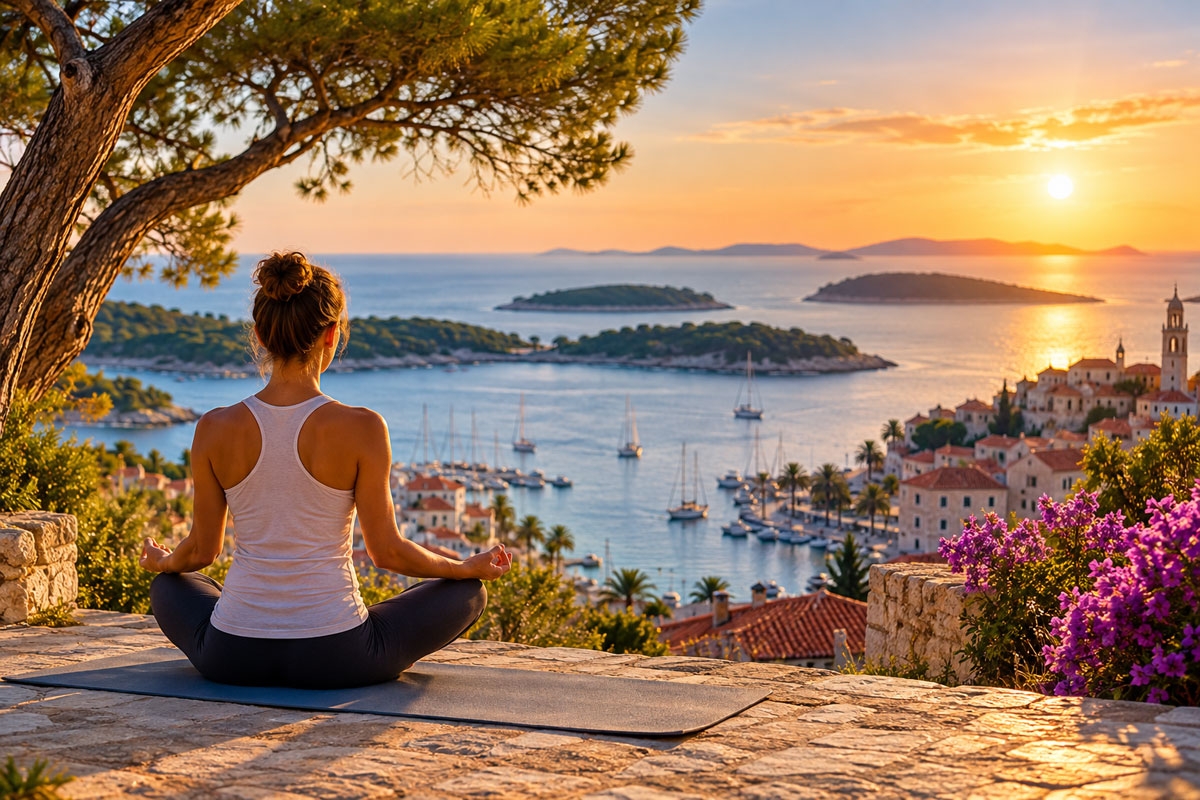
Hvar’s mild climate, coastal landscapes and established accommodation infrastructure provide a setting for developing such experiences during the shoulder season.
For hotels and other tourism businesses, attracting visitors outside the busiest months can help support more consistent use of existing facilities and create additional opportunities for local service providers.
However, the commercial impact of HVARMONY remains to be established. As an inaugural event, it has yet to demonstrate measurable effects on overnight stays, visitor expenditure or accommodation occupancy.
Its significance currently lies in the destination development approach rather than proven economic results.
Connecting Destination Identity with Changing Travel Demand
HVARMONY also highlights a distinction within the expanding health tourism sector.
While medical tourism primarily involves travel for clinical consultations, procedures or treatments, wellness tourism focuses on experiences intended to support general wellbeing and healthier lifestyles.
Hvar’s initiative belongs to the latter category, with an emphasis on prevention-oriented habits, relaxation and quality of life rather than medical services.
This positioning may be particularly relevant for established holiday destinations seeking to diversify without competing directly with specialised medical tourism centres.
For travel intermediaries, the combination of wellbeing activities, Mediterranean scenery and cultural experiences creates possibilities for differentiated itineraries aimed at visitors interested in active holidays and restorative travel.
For destination management organisations, HVARMONY provides a case study in using historical tourism assets to shape contemporary visitor experiences and potentially broaden seasonal demand.
As the island marks 158 years since the opening of its first tourism hotel, the event connects Hvar’s original reputation as a place for rest and recovery with emerging opportunities in international wellness travel.
Whether HVARMONY develops into a recurring tourism attraction will depend on visitor response, industry participation and its ability to generate sustained demand beyond the inaugural gathering.
Image Credit: AI generated illustration