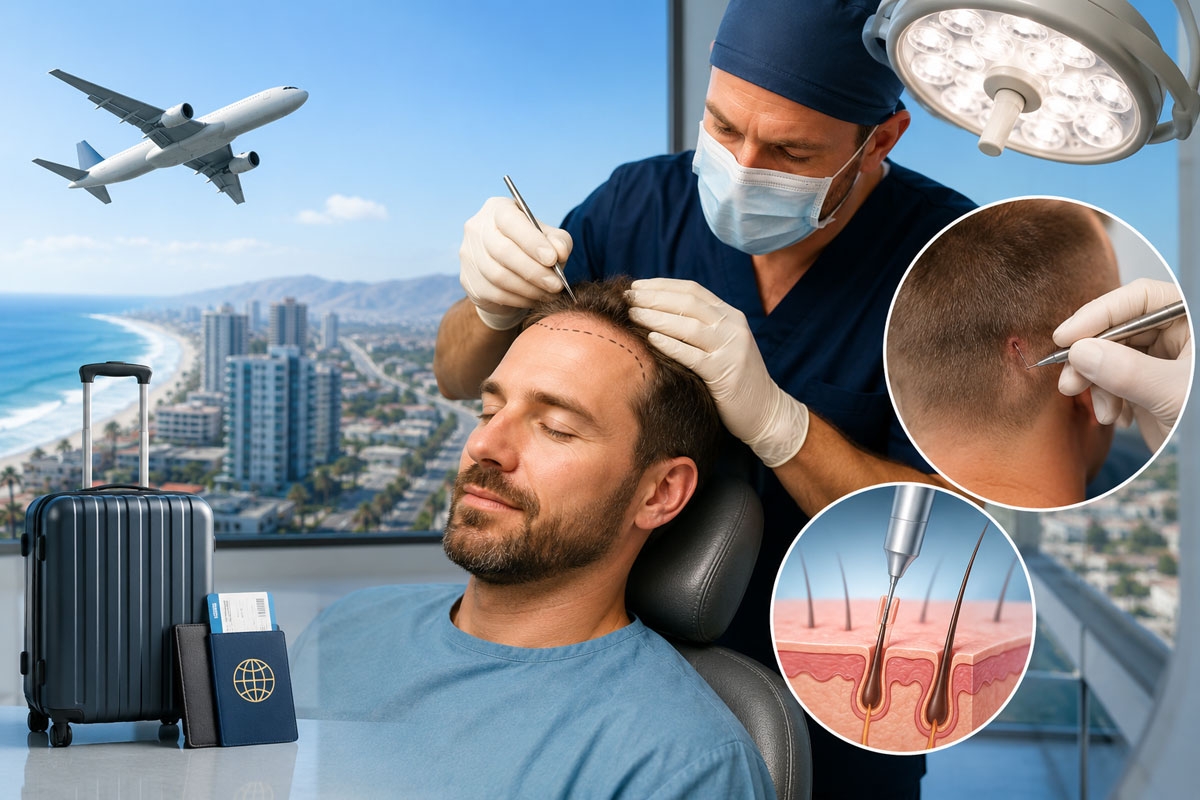

An Istanbul-based health tourism agency highlights the importance of medical responsibility, written treatment plans and reliable aftercare for international patients
Travelling abroad for a hair transplant involves more than choosing a clinic, comparing prices and arranging flights. Patients must also understand who will perform their treatment, which medical facility is responsible and what happens if complications arise after they return home. These questions are particularly relevant when healthcare services are arranged through intermediaries rather than directly with the treating clinic.
An Istanbul-based health tourism agency has introduced a practical information resource designed to help British patients prepare for hair transplantation in Turkey. SLE Health Tourism Agency, which operates the Sule Hair website, has published nine questions covering medical accountability, treatment documentation and communication between patients and healthcare providers.
The initiative focuses on an often overlooked aspect of international medical travel: the need to establish clear responsibilities before leaving home. Rather than comparing surgical techniques or promising particular results, the questionnaire encourages prospective patients to obtain verifiable information and written confirmation of important arrangements.
The guidance also draws attention to the distinction between companies organising medical travel and the healthcare professionals actually providing treatment.
Identifying the medical team before travelling
One of the central recommendations concerns the identity and qualifications of the professionals responsible for treatment.
Patients are encouraged to establish who will assess their condition, develop the proposed treatment plan and perform the individual stages of the procedure. They should also determine whether the healthcare facility holds the necessary authorisation and where the qualifications of the responsible clinician can be verified.
These distinctions matter because the organisation arranging accommodation, transfers and appointments is not necessarily the institution providing medical care.
The questionnaire also addresses changes to treatment arrangements. If the proposed procedure or responsible medical team changes, patients should understand how they will be informed before deciding whether to proceed.
Written agreements provide greater transparency
Another major theme is the importance of documentation.
The agency recommends that prospective patients clarify which documents they will receive before travelling, when a written treatment plan will become available and which healthcare professional will confirm its contents.
Language is another consideration. International patients need to know whether they can communicate directly with the clinical team in a language they understand, particularly when discussing medical decisions and treatment instructions.
The guidance encourages patients to record the names of healthcare providers, the dates of discussions and the information supplied. Using the same questions when contacting different facilities can make it easier to identify missing details or conflicting statements.
Written confirmation is especially important when treatment is advertised as part of a travel package. Accommodation, transport and organisational assistance should not be confused with medical responsibilities or contractual commitments concerning healthcare.
Aftercare remains essential after returning home
The final questions concentrate on what happens once patients leave Turkey.
Hair transplantation does not end with the surgical procedure. Patients require individual recovery instructions and may need further medical assessment if unexpected symptoms develop.
The agency therefore recommends establishing who will remain responsible for communication after the patient returns home, which channels will be available and during which hours assistance can be reached.
Patients should also clarify whether follow-up consultations are included in their agreement, who will review their recovery and what arrangements apply if an examination in person becomes necessary.
A further consideration is access to assistance when the usual contact person cannot be reached. Written instructions identifying alternative contacts and appropriate local medical support can help patients prepare for such situations.
These questions are particularly relevant to international healthcare because geographical distance can complicate communication between patients and their original treatment providers.
A preparation tool rather than a medical assessment
SLE Health Tourism Agency describes its questionnaire as an information resource rather than a medical recommendation.
The company does not assess individual suitability for hair transplantation, compare the effectiveness of surgical techniques or guarantee treatment outcomes through the questionnaire.
It also makes clear that the questions themselves do not establish contractual rights, emergency arrangements or follow-up services. Such commitments must be confirmed by the healthcare provider and documented individually.
The Istanbul-based organisation operates as an international health tourism intermediary and does not itself provide medical treatment.
Although developed for British patients considering hair transplantation in Turkey, the underlying questions address broader challenges in cross-border healthcare. Clear medical accountability, understandable documentation and continuity of care are important considerations whenever patients travel internationally for planned treatment.
Image Credit: AI generated illustration