Despite an expanding market for functional and lifestyle beverages, six in ten Germans fail to reach the recommended daily fluid intake of 1.5 litres
From alcohol-free alternatives and electrolyte drinks to matcha and functional beverages, consumers in Germany have more choices than ever when deciding what to drink. Yet behind the rapidly changing beverage market lies a more fundamental health issue: many people are simply not drinking enough.
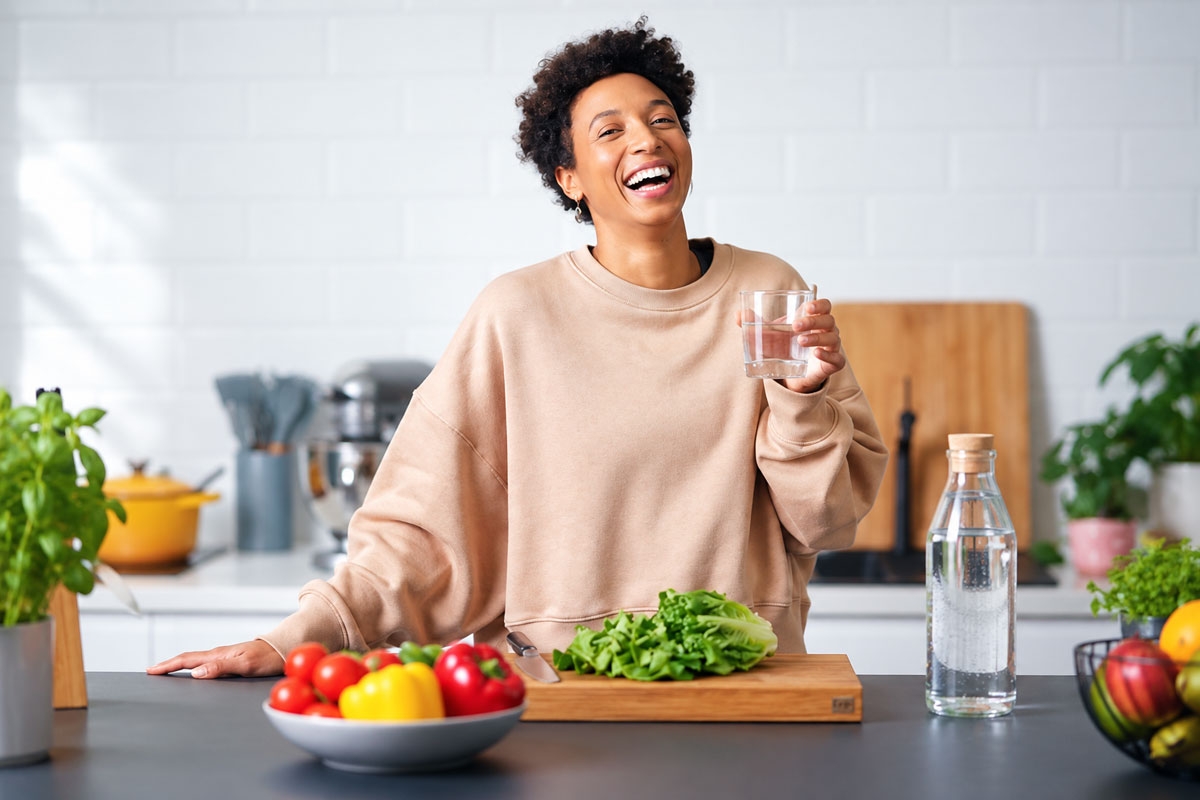
According to the Hydration Report 2026, a representative study commissioned by the Society of Friends and Supporters of the German Mineral Water Industry (GFF), 60% of Germans consume less than the recommended 1.5 litres of fluid per day.
The findings suggest that knowledge about new beverage trends does not necessarily translate into adequate hydration. This is particularly evident among younger adults, while working conditions and daily routines also appear to influence how regularly people drink.
Generation Z knows the trends but misses the target
The contrast is particularly striking among 18- to 24-year-olds. This generation is familiar with products such as matcha, adaptogens and electrolyte drinks, yet 64% consume less than the recommended daily amount.
At the same time, younger adults are more likely than older generations to begin their day with mineral water. Some 36% of Generation Z respondents said mineral water was the first thing they drank in the morning, compared with around 25% of baby boomers.
The figures indicate that the main challenge is not necessarily choosing a particular type of beverage, but maintaining sufficient fluid intake throughout the day.
Tiredness and poor concentration may be mistaken for other problems
The report also points to widespread uncertainty about the body's response to inadequate hydration. Almost one in three respondents did not know that sensations such as tiredness or hunger can sometimes be associated with thirst.
Morning routines provide another example. Some 45% of respondents reach first for coffee rather than mineral water after waking.
“The body rarely signals a lack of fluids simply as a classic feeling of thirst – it sends more subtle signals such as afternoon fatigue or concentration problems,” said nutrition scientist Dr Alexa Iwan.
“Even a fluid loss of one percent of body weight can reduce cognitive performance. A glass of mineral water immediately after getting up – before coffee, your phone and breakfast – is the simplest investment in the entire day.”
Work can make regular hydration more difficult
For many people, drinking enough is not simply a matter of remembering to do so.
According to the survey, 23% of working respondents said they were unable to drink whenever they wanted during the working day. Among younger employees, the proportion rises to 41%.
Time pressure and interaction with customers were identified as important barriers, suggesting that workplace organisation can directly affect hydration routines.
Family responsibilities create another pattern. Some 37% of parents reported drinking less themselves while concentrating on reminding their children to drink.
Mineral water remains Germany's hydration staple
While the beverage market continues to fragment into increasingly specialised categories, mineral water retains a dominant position in everyday hydration.
The report found that 97% of Germans use mineral water as part of their fluid intake, while 82% rank it first among beverages they consider healthy. Mineral water provides fluid without calories and, depending on its source, can contain minerals including calcium and magnesium.
Olympic long jump champion Malaika Mihambo serves as an ambassador for the 2026 report and highlights hydration from the perspective of elite sport, where maintaining sufficient fluid intake forms part of the routine supporting concentration, endurance and recovery.
The wider findings, however, extend far beyond competitive sport. They reveal a notable contradiction in everyday health behaviour: while consumers are increasingly exposed to sophisticated discussions about ingredients, functionality and beverage trends, one of the most basic requirements remains difficult for a majority of the population – simply drinking enough.
Image Credit: © AI generated illustration using material courtesy of GFF