
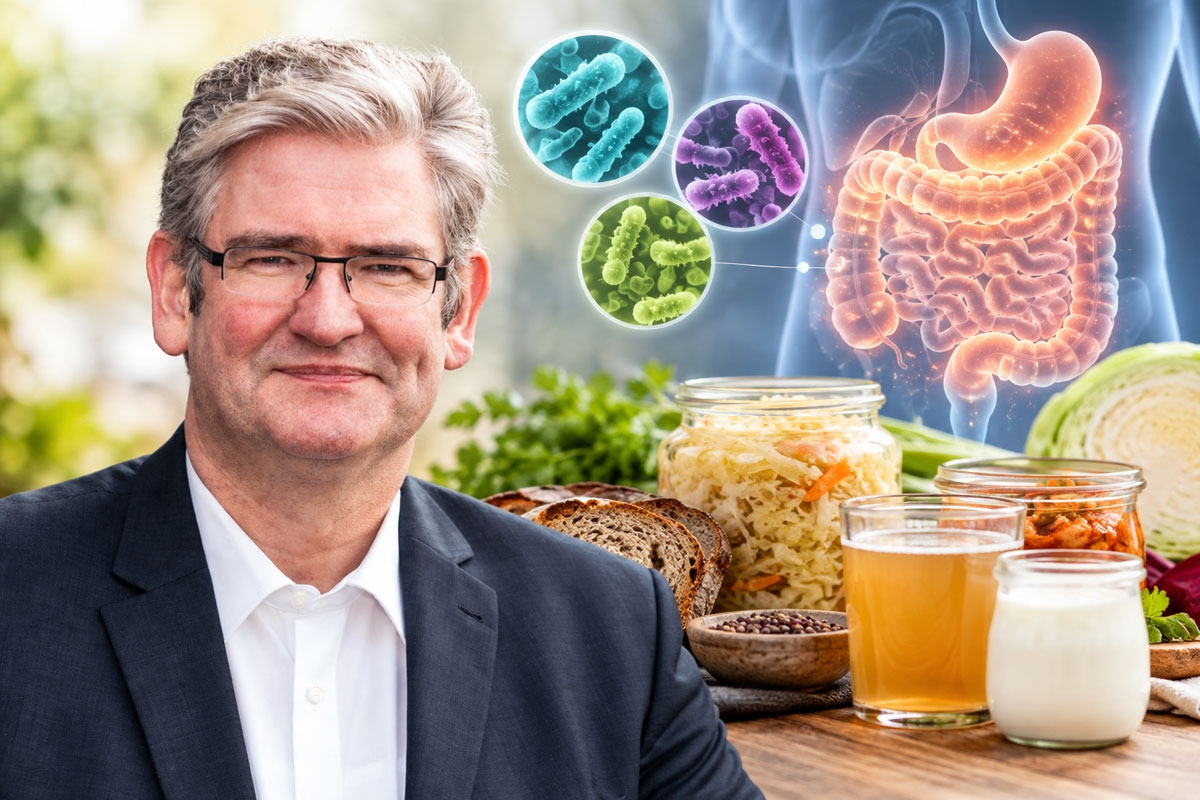
From yoghurt and sauerkraut to kombucha and fermented bread drinks, fermented foods are attracting renewed attention. Microbiologist Dr Jürgen Neuhaus explains how fermentation works, why lactic acid bacteria matter and what fermented products may contribute to a balanced diet
Fermentation is one of the oldest methods of preserving food, but growing scientific interest in the gut microbiome has brought fermented products back into the spotlight. During fermentation, microorganisms such as bacteria and yeasts transform components of food through enzymatic processes, producing acids and other metabolites and changing the nutritional and sensory properties of the original ingredients.
The microorganisms involved vary according to the raw material and fermentation process. Products including yoghurt, sauerkraut, kimchi and fermented bread beverages can involve lactic acid fermentation.
Dr Jürgen Neuhaus is a veterinarian and microbiologist whose scientific work at Leipzig University included research in applied microbiology and the diagnosis of pathogenic bacteria. He is associated with German fermented-food producer Kanne Brottrunk and therefore speaks in this interview both from a microbiological perspective and in relation to the company's fermented bread drink.
What role do lactic acid bacteria play in the body?
Dr Jürgen Neuhaus: Lactic acid bacteria are associated with fermented foods and are also found within the human microbiome. Nutrition plays an important role in creating conditions in which a diverse intestinal microbial community can develop.
Fermented products are interesting in this context because fermentation changes both the food and its microbial composition. Kanne Brottrunk, for example, has a pH of around 3 as a result of its fermentation process and contains lactic acid as well as fermentation-derived microorganisms and metabolites.
How are lactic acid bacteria connected with the immune system?
Dr Jürgen Neuhaus: The relationship between microorganisms and the immune system has a long history in microbiological research. More than a century ago, researchers were already investigating how immune cells interact with microorganisms and whether the consumption of fermented foods might have implications for human health.
Today we know considerably more about the complexity of the intestinal microbiome and its relationship with immune function. Fermented foods are particularly interesting because they may provide microorganisms as well as substances created during fermentation.
They should nevertheless be considered part of an overall balanced diet rather than a treatment in themselves.
What makes fermented bread drinks different?
Dr Jürgen Neuhaus: In the case of Kanne Brottrunk, the starting point is specially baked sourdough bread made from organic grains. This undergoes an anaerobic fermentation process.
Fermentation changes the original product considerably. Microorganisms metabolise components of the bread and produce additional compounds during the process. The resulting beverage contains lactic acid as well as nutrients and fermentation products.
This illustrates one of the broader characteristics of fermentation: microorganisms do not simply preserve a food. Their metabolic activity can also change its composition and the form in which individual substances are present.
What about vitamin B12?
Dr Jürgen Neuhaus: Vitamin B12 is an essential nutrient that the human body cannot produce in sufficient quantities itself. It contributes to normal red blood cell formation, cell division and the normal functioning of the immune and nervous systems.
Kanne Brottrunk contains vitamin B12, making this one of the nutrients provided by the beverage. As with any individual food or drink, however, it should be considered within the context of the complete diet rather than in isolation.
Can fermented foods also influence the skin?
Dr Jürgen Neuhaus: I would be cautious about describing fermented products as “beauty boosters”. There is growing scientific interest in connections between the intestinal microbiome and other parts of the body, including the skin, but these relationships are complex.
The gut is therefore an interesting field not only for microbiology but also for nutrition, preventive health and wellness. Fermented foods can be one component of a varied diet, but broad promises about their effects on appearance or health would go beyond what can be concluded from individual foods.
Why fermentation is attracting new attention
The renewed interest in fermentation reflects a wider development in nutrition and microbiome research. Scientists are increasingly examining not only individual nutrients but also the microorganisms and metabolites present in foods and how they interact with microbial communities in the human body.
Research suggests that fermented foods can influence microbial activity in the gastrointestinal tract and may interact with metabolic and immune processes. At the same time, fermented foods are highly diverse. Yoghurt, kimchi, sauerkraut, kombucha and fermented grain products differ considerably in their microorganisms, substrates and fermentation products.
This means that findings about one fermented food cannot automatically be transferred to another. Further human research is also needed to determine which microorganisms and fermentation products are responsible for particular effects and how factors such as diet and an individual's existing microbiome influence the response.
For preventive health, wellness and nutrition programmes, this distinction is particularly relevant. Fermentation represents a growing field of scientific interest, while fermented foods themselves should be viewed as components of nutrition rather than therapies for specific diseases.
Image Credit: © AI generated illustration with material courtesy of Kanne Brottrunk